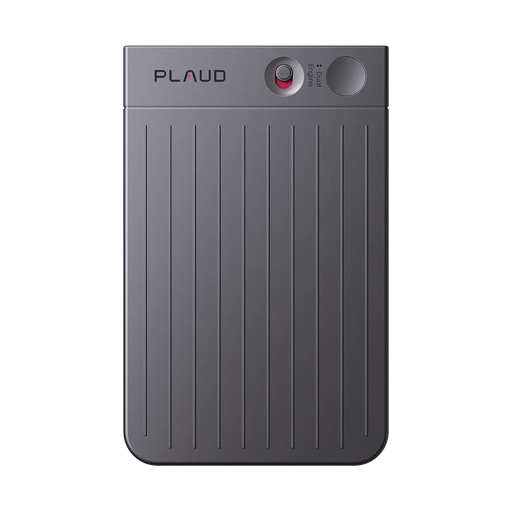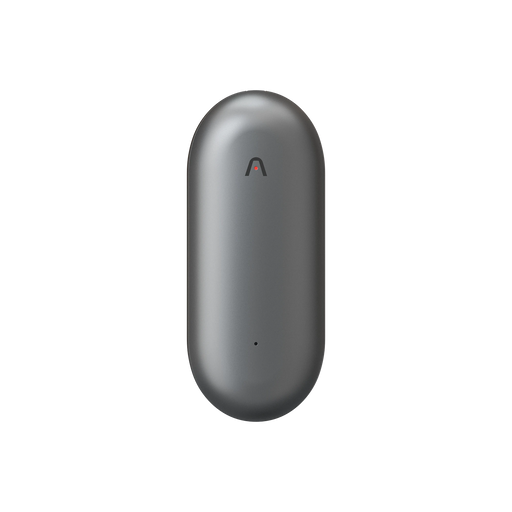

Detritus brings Plaud transcripts into its AI workflows to update customer records, guide sales follow-up, and improve advertising targeting.
Detritus plans, dispatches, and bills the sanitation, waste, water, and temporary infrastructure for projects across the US. The company uses its own AI systems to help manage customer relationships, sales, and marketing.
“We’re using AI as much as possible. We’re lean. But thanks to AI, we can get a lot done,” says Jack Ruhle, VP of Marketing.
Plaud helps Detritus bring in-person conversations into those systems. The team uses the transcripts alongside existing business data to follow up with prospects, update customer records, and improve its advertising.
Turning conversations into sales intelligence
Not every important sales conversation happens in a scheduled meeting.
Zachary Naspinski, VP of Revenue Operations at Detritus, recalls meeting a decision-maker at a golf event the company sponsored. The team gave him a business card, but he didn't have one to return.
“We didn't have a way to capture his information, and it just wasn't natural to have him write his details on a scrap of paper,” Zachary recalls. “We left without key details. We learned from that.”
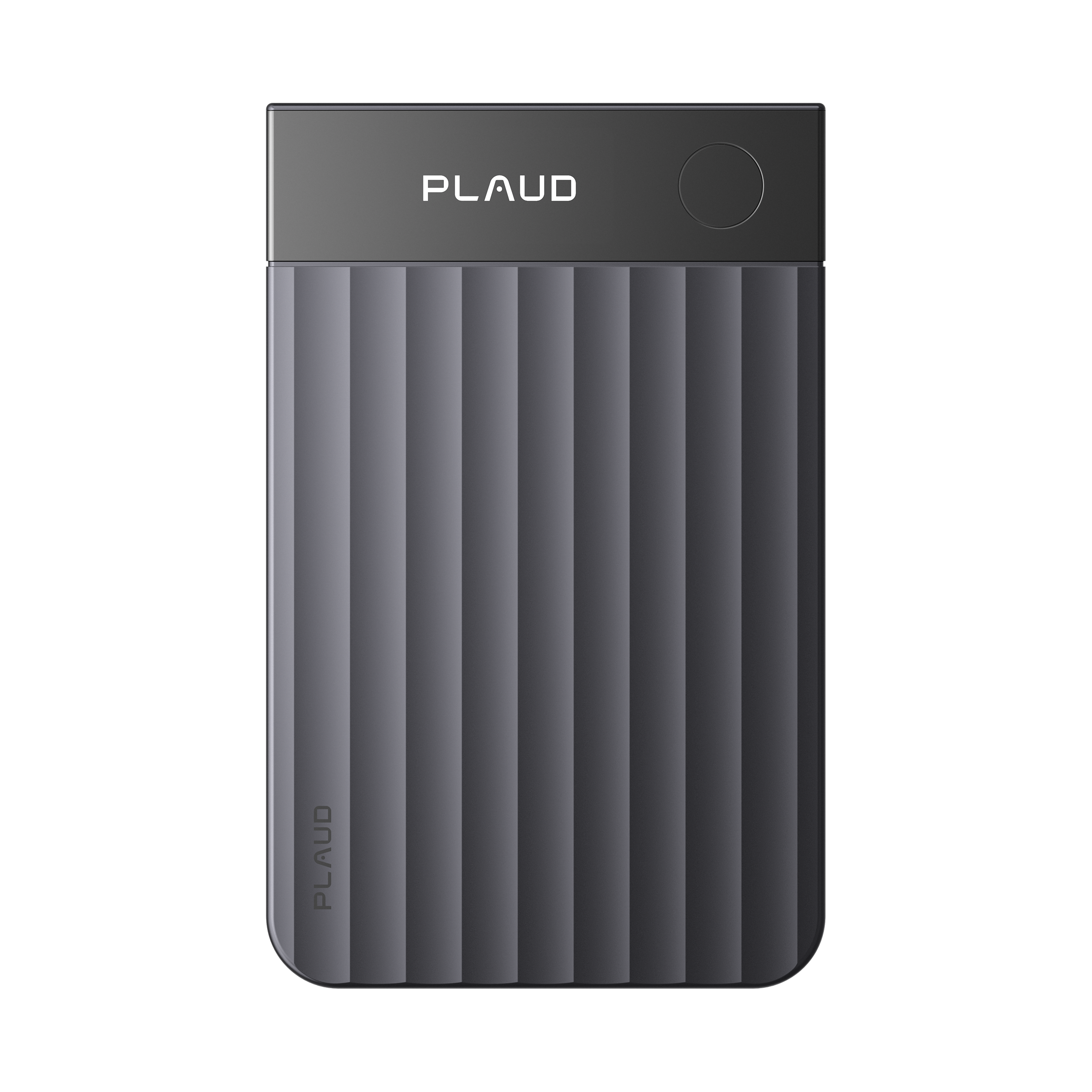
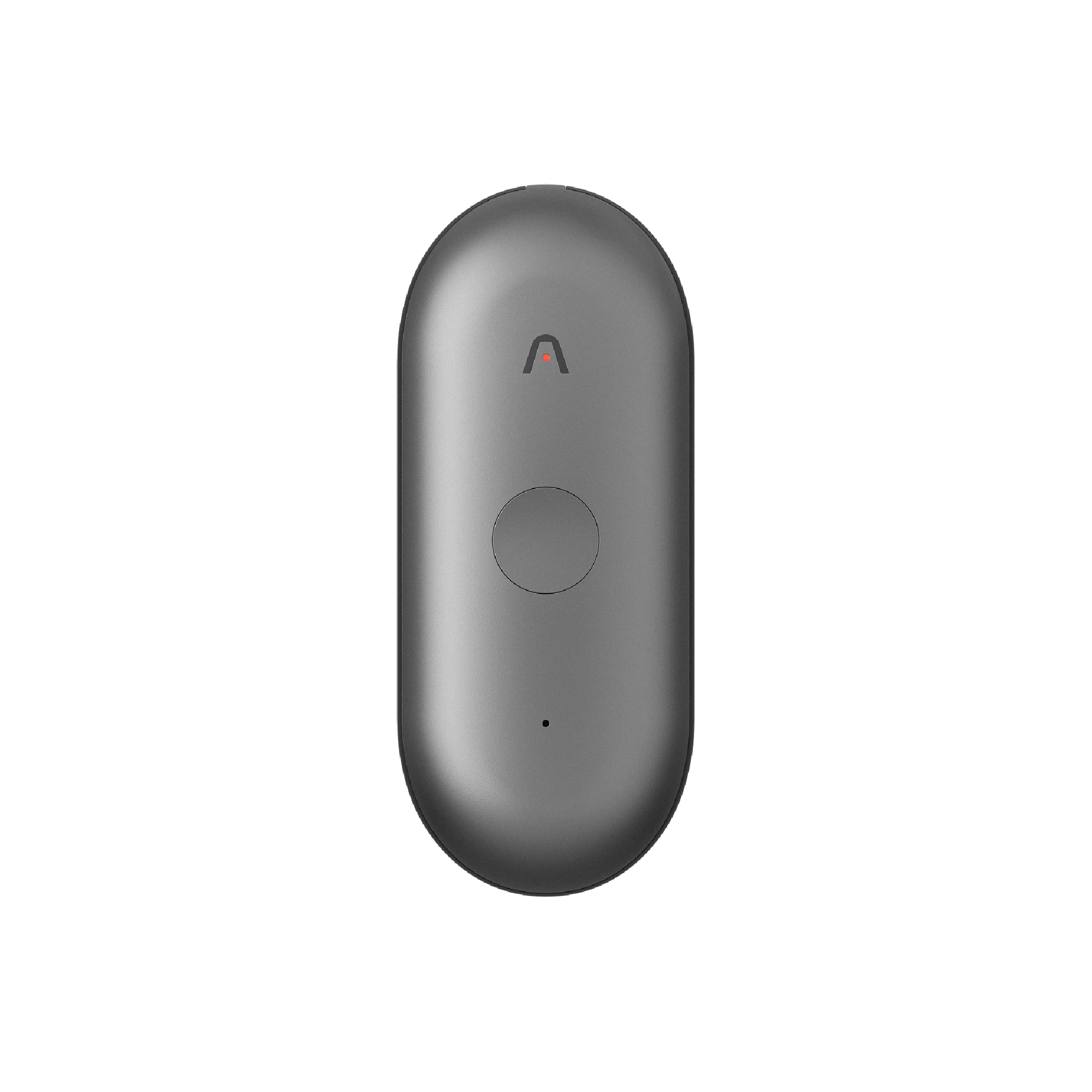
Plaud gives the team a way to record these kinds of in-person conversations and bring the transcripts into its AI workflows. Detritus uses Plaud’s MCP to access the transcripts, which its AI tools use to update records and support sales follow-up.
At conferences, team members use Plaud devices to record conversations throughout the day. They collect contact information through QR codes and business cards, then match transcripts to contacts by name, with confidence levels to help assess the matches. The team adds the resulting information to Salesforce alongside an estimated opportunity size, giving sales reps a record of the interaction and guidance on what to do next.
Before using Plaud, the team followed up on about 25% of its event conversations. Now Detritus follows up on all of them.
From sales follow-up to advertising
Better conversation records help Detritus follow up with prospects who may have met dozens of vendors at an event.
“Context is everything,” Zachary says. “If you’re saying, ‘Hey, it was great to meet you at Dreamforce. Would love to catch up,’ they’re not going to remember who you are. If you follow up with the right information, they’ll know exactly what you talked about.”
Detritus also uses conversation data to inform its advertising. Its AI workflows score opportunities based on what salespeople learn in conversations, then send the resulting data to advertising platforms including Google, Bing, and Meta.
“We create an opportunity score for every call, pair it with a unique user ID, and send that data back to our paid advertising partners. That gives ad platforms better revenue signals to optimize campaigns,” Jack says.
Plaud helps bring in-person interactions into the same process.
“Plaud’s been a phenomenal tool because that call isn’t always occurring on Zoom.”
- Jack Ruhle, VP of Marketing at Detritus
A tool employees can use throughout the day
Pat Selby, Detritus’s Director of Strategic Partnerships, first introduced Plaud to the team after using it to capture his own notes.
“He came over one day and had this little device. You guys have to get one of these,” Zachary recalls.
Unlike taking notes on a laptop or phone, Plaud lets employees record conversations without having to manage a screen during the interaction. It also covers conversations that don't happen in online meetings.
The team uses the transcripts for more than sales follow-up. Zachary uses Plaud to turn conversations into follow-up work, including creating tasks in Asana and preparing materials for internal discussions.
“You make a promise in person. You want to be able to follow through on that promise later.”
- Zachary Naspinski, VP of Revenue Operations at Detritus
Kevin Parkerson, VP of Product Engineering, uses Plaud to capture product requirements and feedback, bringing information from conversations into the product development process.
“The small size and battery life make it easy to use onsite. I can focus on asking questions and having a natural conversation while still collecting the information I need,” Kevin says.
Bringing conversation details together
Detritus plans to make useful conversation details available alongside its existing business data across the organization, while removing sensitive information that shouldn't be shared.
As David Waltz, CTO, explains, AI needs to understand more than the structured information already stored in business systems:
“It’s important that AI understands not just anything that we have in the legacy data world, like in our Salesforce CRM, but it also understands how we are talking to each other,” David says.
Conversation transcripts can provide details that a CRM record alone may not capture: what a customer asked for, what the team discussed, and what someone promised to do next. Connecting that context to existing systems gives Detritus more information to work with across sales, marketing, operations, and product development.
For Detritus, Plaud helps turn everyday conversations into information that the business can now put to work.