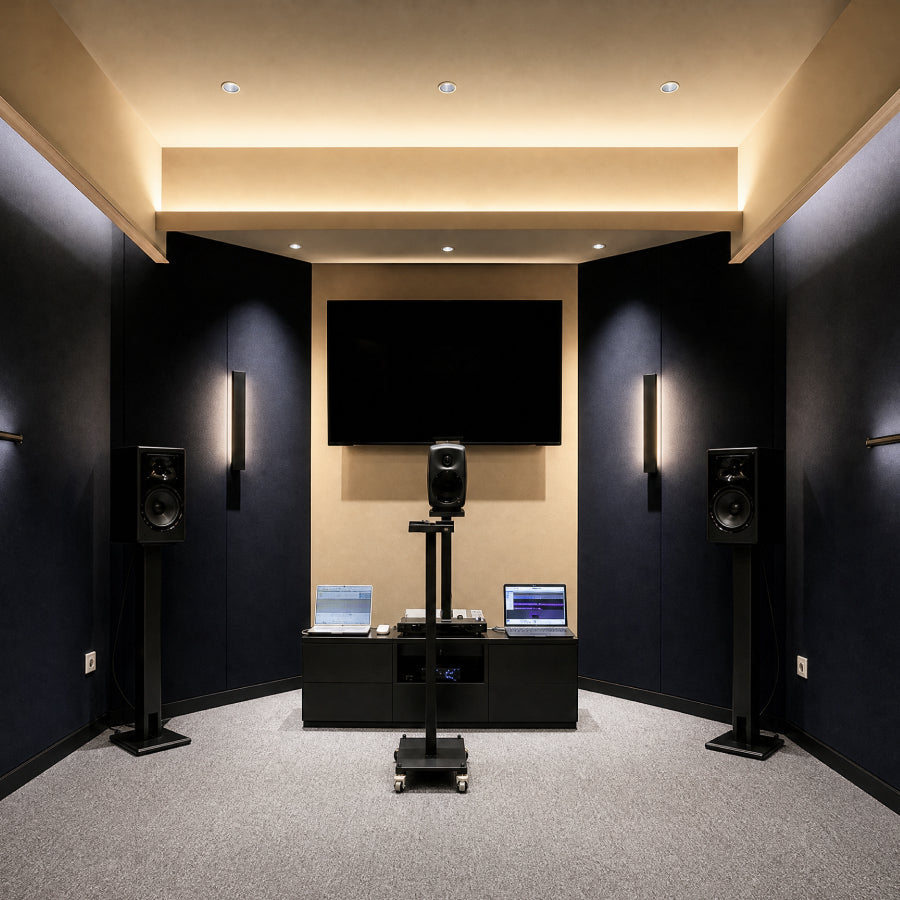

AI is only as good as what it hears. A transcript with 40% missed words doesn't produce a useful AI summary — it produces a confident guess. So the real question isn't whether a dedicated recorder sounds better than a smartphone. It's whether the difference is large enough to change the accuracy of your AI outputs. We built a controlled anechoic chamber to find out.
The Testing Methodology
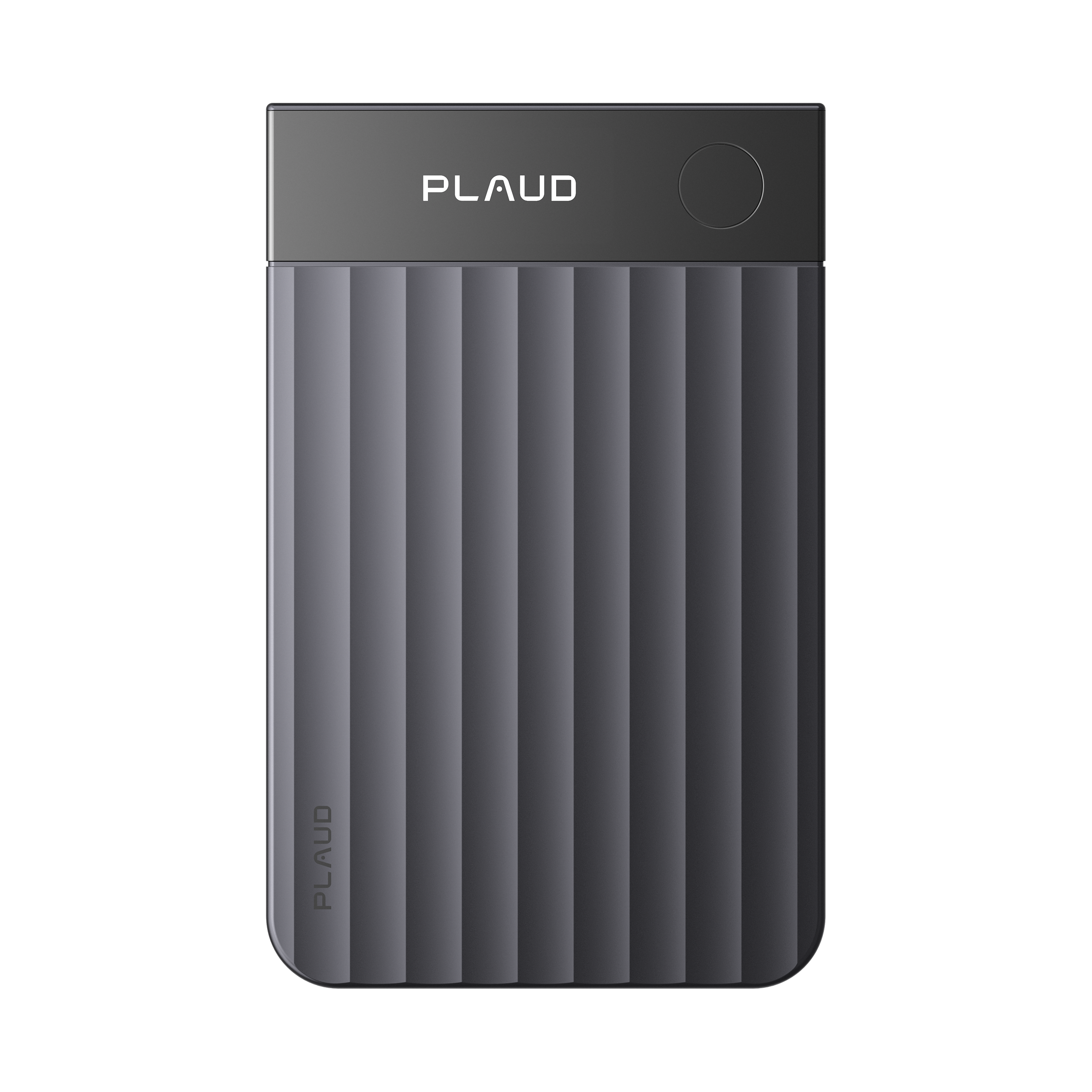
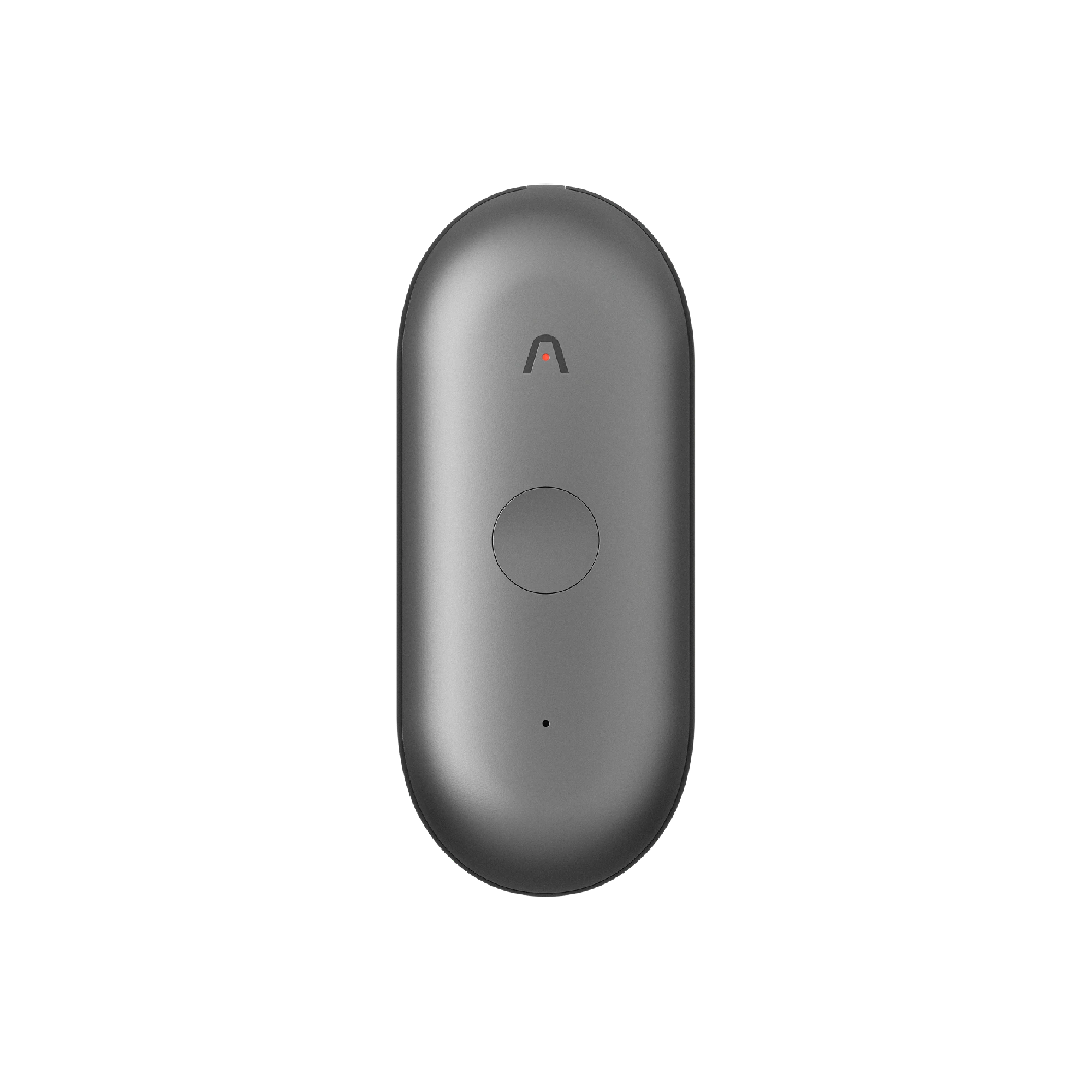
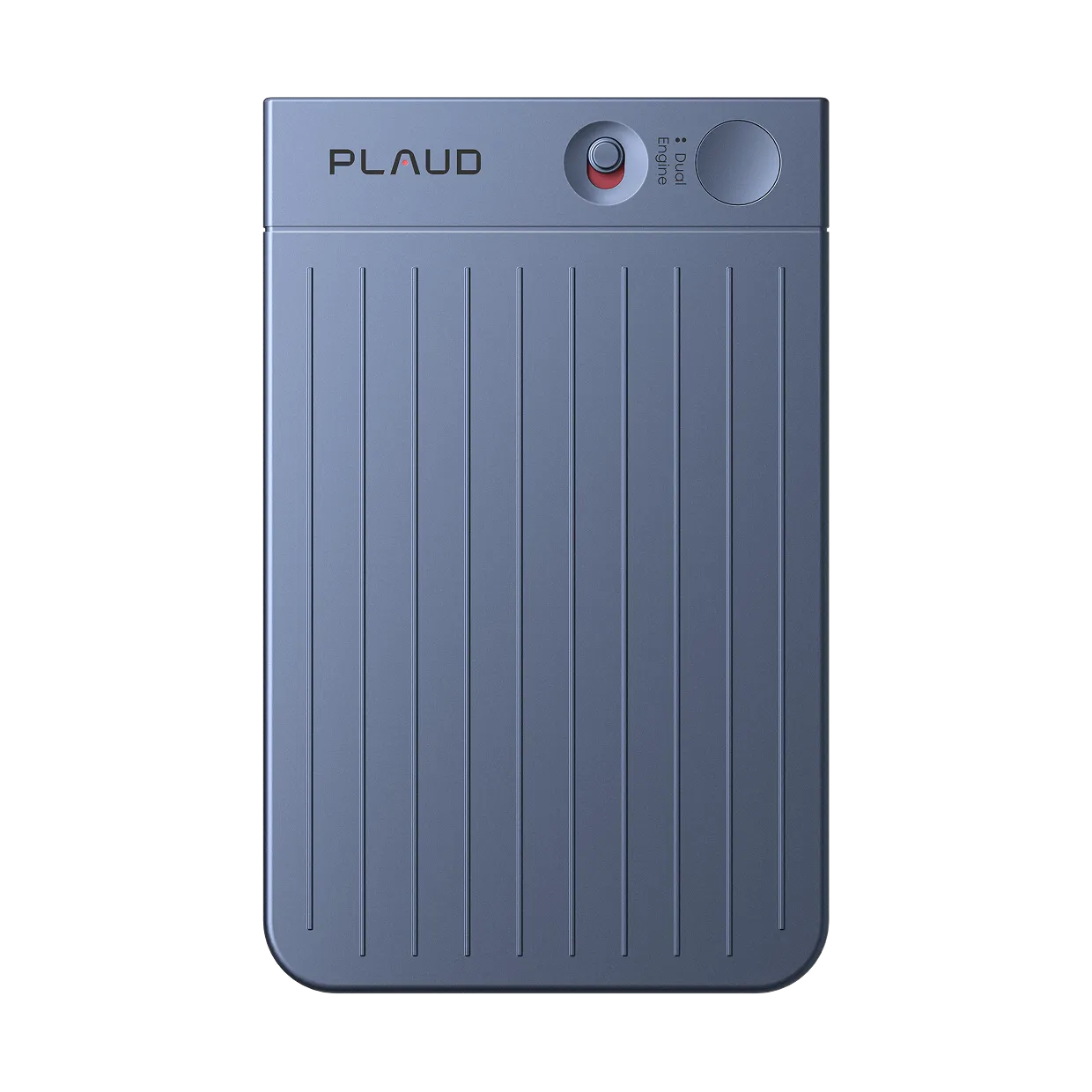
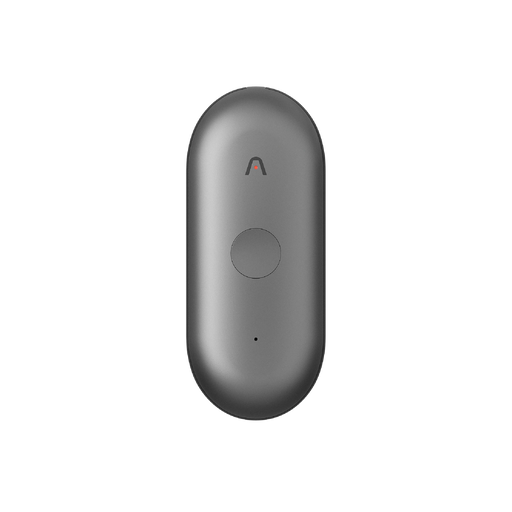
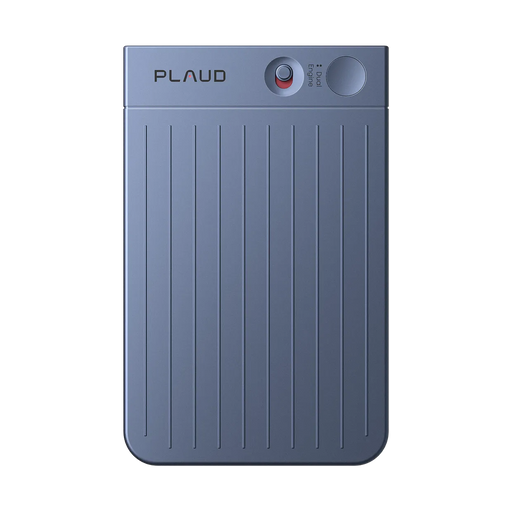
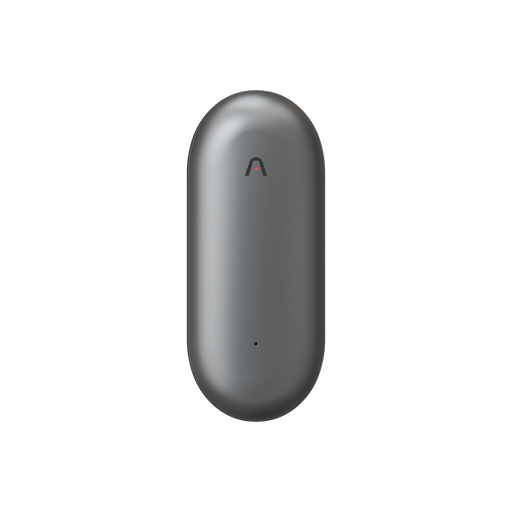
We tested the Plaud Note, Note Pro, and NotePin against the iPhone 17 Pro Max and Apple Watch S11 — the best consumer devices in their category. All devices recorded the same speech simultaneously, so the only variable was capture quality.
Test conditions covered two distances: 1 meter (desk, café, one-on-one) and 3 meters (conference table, team standup). We ran each at three noise levels — quiet (~35 dB), moderate (~55 dB), and loud (~70 dB) — calibrated using studio-grade loudspeakers. Transcripts were scored against a reference text using Word Error Rate (WER), the standard measure in speech recognition research. Lower WER means fewer missed words.
Why build an anechoic chamber? Consumer tests of audio hardware often happen in informal settings where room reflections, variable noise sources, and inconsistent mic positioning contaminate results. An anechoic chamber eliminates acoustic reflections entirely, isolating the microphone hardware itself. Every test ran under identical, repeatable conditions — no room variables, no guesswork.

The Results: Where It Matters Most
The pattern is simple: the noisier it gets, the bigger Plaud's advantage.

At your desk: 1 meter
In a quiet room, both Plaud and iPhone transcribe accurately — the difference is small. Add moderate background noise and the gap opens. In loud conditions, the iPhone missed roughly 4 in 10 words. The Plaud Note Pro missed fewer than 3. That's more than a 10-percentage-point gap in WER — the difference between a transcript you can trust and one you need to fact-check line by line.
The Note Pro led across all noise conditions at this distance. The Note performed closely behind. Both outperformed the iPhone even in quiet conditions.
Across the table: 3 meters
Distance compounds the noise problem. At 3 meters, the Note Pro outperformed the iPhone at every noise level — quiet, moderate, and loud. In moderate noise, the everyday background of an office or café, the Note Pro's advantage was already clear. In loud conditions, the gap widened further. A smartphone is built for everything. Plaud is built for one thing: capturing speech accurately, even when conditions aren't ideal.
Wearables: NotePin vs. Apple Watch S11
The NotePin outperformed the Apple Watch S11 at every distance and noise level. In loud conditions at 3 meters, the NotePin captured significantly more of the conversation correctly. The Apple Watch microphone is designed for Siri commands and short calls. The NotePin is designed for continuous, multi-speaker transcription — and it shows.
Why Dedicated Hardware Wins
A smartphone microphone is a generalist. It handles phone calls, selfie video, voice commands, and music — use cases that pull in opposite directions. To meet all of them adequately, smartphones apply aggressive dynamic compression and signal processing that smooths audio for calls but discards speech detail at distance.
Plaud devices are built for a single purpose: capturing speech for transcription, at meeting distances, across the full range of real-world noise. This allows hardware choices a smartphone can't make — microphone positioning optimized for each device's form factor, directional pickup patterns tuned for conversation, and audio processing that preserves speech detail rather than compressing it away.
The result shows up most in the conditions that matter most: noisy rooms, long tables, and far speakers.
From Better Audio to Better AI
Transcription accuracy is just the first link in the chain. Better audio → lower WER → more complete transcript → better AI summary, action items, and search.
When a transcript is missing 4 in 10 words, your AI model isn't summarizing a meeting — it's filling gaps. The output may read fluently, but it will silently omit decisions, names, and action items. You won't know what was missed until something goes wrong.
A Plaud recording gives the model the full signal. The gap in downstream AI quality between a 15% WER transcript and a 40% WER one isn't marginal. It's the difference between notes you can act on and notes you have to verify.
The quality of your recording is the foundation everything else is built on. At Plaud Lab, this is where we start.
Disclaimer: The testing and performance metrics described in this article were conducted in a highly controlled laboratory environment (anechoic chamber) using standardized acoustic testing methods. Real-world recording performance, Word Error Rates (WER), and transcription accuracy may vary based on environmental factors, room acoustics, microphone placement, speaker volume, accents, and overlapping speech. AI summarization quality is also subject to the inherent limitations of third-party Large Language Models (LLMs). iPhone and Apple Watch are registered trademarks of Apple Inc. The comparative testing referenced in this article was conducted independently by Plaud for informational purposes only and does not imply any affiliation with or endorsement by Apple Inc.