Clear audio recording · How-to guide

How to record clear audio in noisy or busy environments

Recording in a noisy environment is mostly about winning one battle before the recording starts: getting the microphone close enough to the voice that the target sound is louder than everything around it. A phone on a desk or a laptop mic at arm's length captures background noise at the same level as the voice. A mic worn close to the source wins that battle automatically.

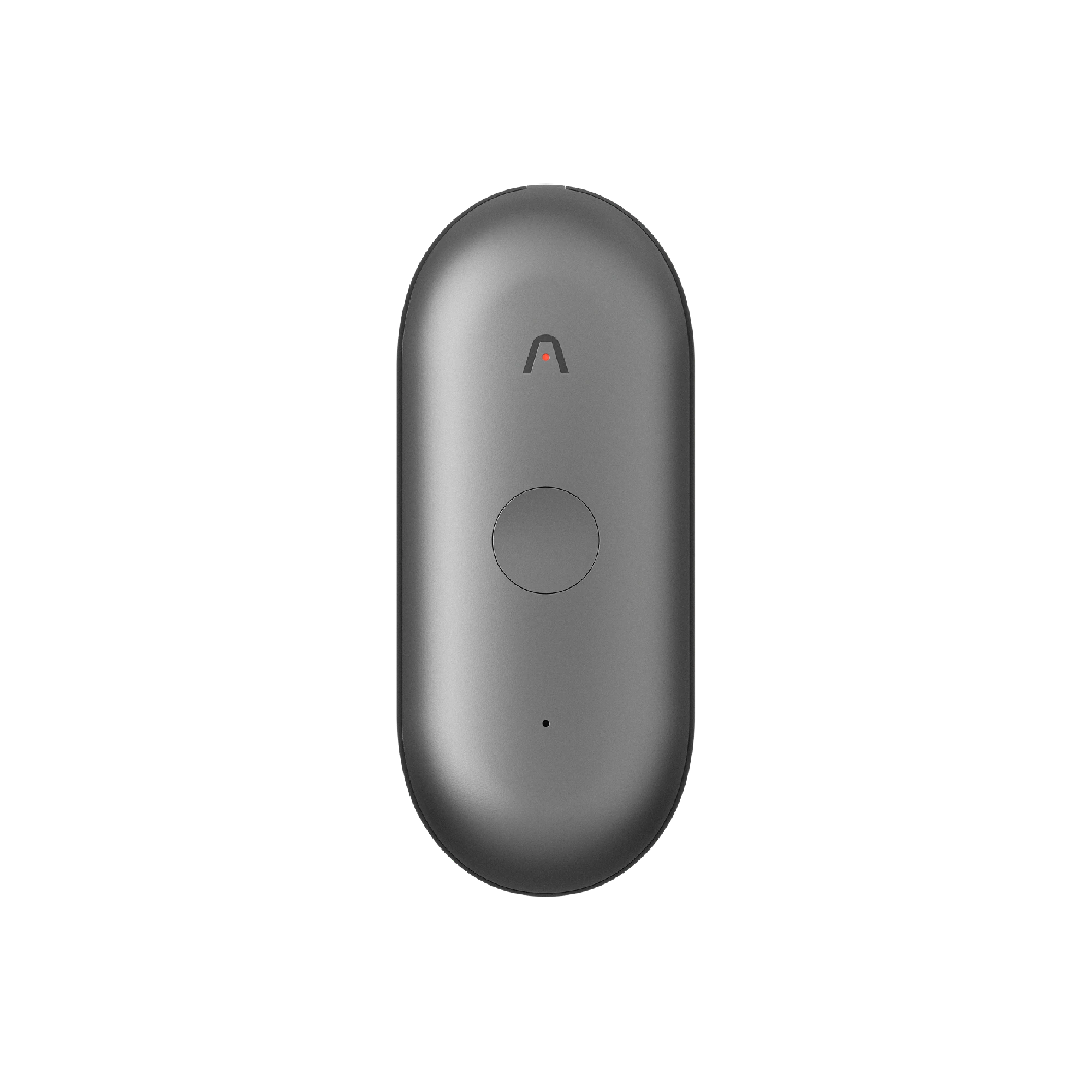
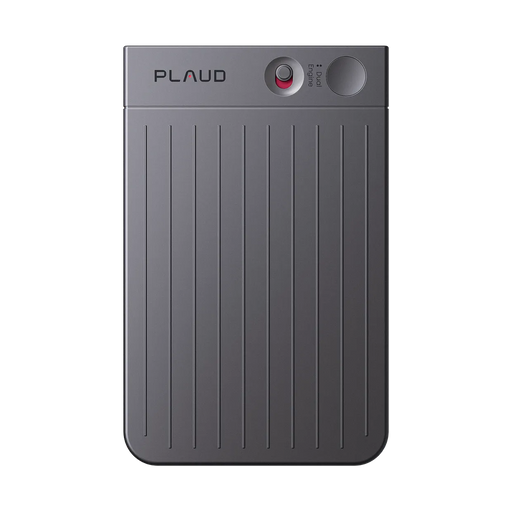
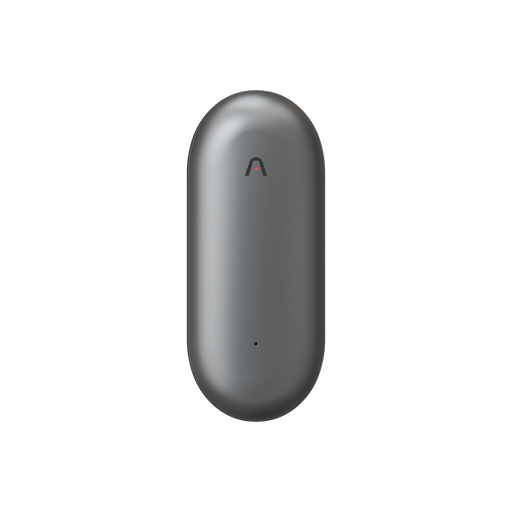
Plaud NotePin S wearable AI note-taking device clipped at collar height for clear audio in a noisy environmentBest for noisy environments

Quick answer

4 steps to clear audio despite background noise

Mic distance from the voice is the single most effective variable. All other techniques are secondary to getting that right first.

1. Close the gap between the mic and the voice

Sound drops off quickly with distance. At close range, your voice is significantly louder than the room noise around it. At arm's length, both arrive at roughly the same level. Getting the mic within 20–30 cm of the speaker is the single most effective step.

2. Use a directional microphone rather than an omnidirectional one

Omnidirectional mics pick up equally from all angles. Directional mics focus on sound coming from in front and reject noise from the sides and behind. A lavalier or wearable mic at close range combines both advantages.

3. Use your body or a wall to shield the main noise source

Turn your back to the loudest source of noise. Record near a wall or in a corner rather than in the open center of a room. These positions reduce how much competing noise reaches the mic before your voice does.

4. Record a short test clip and review before the full session

Play back 10–15 seconds with headphones on. Confirm the voice is clearly louder than the background and levels are not clipping. Fix placement now, not after an hour of recording.

See full method comparison ↓

Methods

Which setup captures clean audio in noisy spaces

Compared on audio quality at typical distances in noisy rooms, how much equipment management the method requires during a session, whether battery covers a full-day use case, and whether AI transcription is built in.

Phone on desk or table

Phone sits at arm's length in a fixed position. Background noise and voice arrive at the mic at similar levels.

Audio quality
Low
Equipment management
Low
Full-day reliability
Low
Transcription included
No

Laptop built-in mic

Fan and keyboard noise dominate the channel. Mic position is fixed to the laptop body.

Audio quality
Low
Equipment management
Low
Full-day reliability
Medium
Transcription included
No

External desktop or USB mic

Directional pickup at short range improves quality significantly. Requires a stable surface, cable, and manual positioning.

Audio quality
Medium
Equipment management
Medium
Full-day reliability
Medium
Transcription included
No

Wearable AI note taking device (Plaud NotePin S)

Worn at collar or lapel height. Mic stays within close range of the voice. Up to 20 hours of continuous recording.

Audio quality
High
Equipment management
Low
Full-day reliability
High
Transcription included
Yes

Based on common recording scenarios and Plaud product data. Always obtain consent from all participants before recording.

Tips

What makes a noisy-environment recording actually usable

Software noise reduction can improve a bad recording, but applying it heavily produces artifacts and makes voices sound unnatural. The recording that needs the least cleanup is the one where the voice was louder than the noise from the start.

Mic proximity to the voice is maintained automaticallyA desktop or phone mic requires conscious positioning every time. NotePin S clips to a collar or lanyard and records from a consistent close-range position.
Directional capture keeps the focus on your voiceA microphone worn at close range on the body naturally favors the voice in front of it over the ambient noise of the room.
Battery covers a full day of sessionsNotePin S holds enough charge to run through a full day of back-to-back recordings without stopping to recharge.
Source audio clean enough for accurate transcriptionWhen the voice is clearly captured at the source, Plaud Intelligence produces an accurate transcript without requiring a separate noise-reduction pass.

The easier way

Plaud NotePin S. Clear audio without the placement decisions.

Plaud NotePin S is a wearable AI note-taking device built for situations where you cannot control the environment. The 17.4 g wearable design clips to a collar or lanyard and keeps the microphone at a consistent close-range position throughout the session.

  • Close-range mic positionKeeps the mic close to the source throughout the session. The voice stays louder than the room.
  • No setup requiredClips on before the session and requires no adjustment throughout.
  • Ready for transcriptionRecords from close range so Plaud Intelligence receives a strong enough signal.
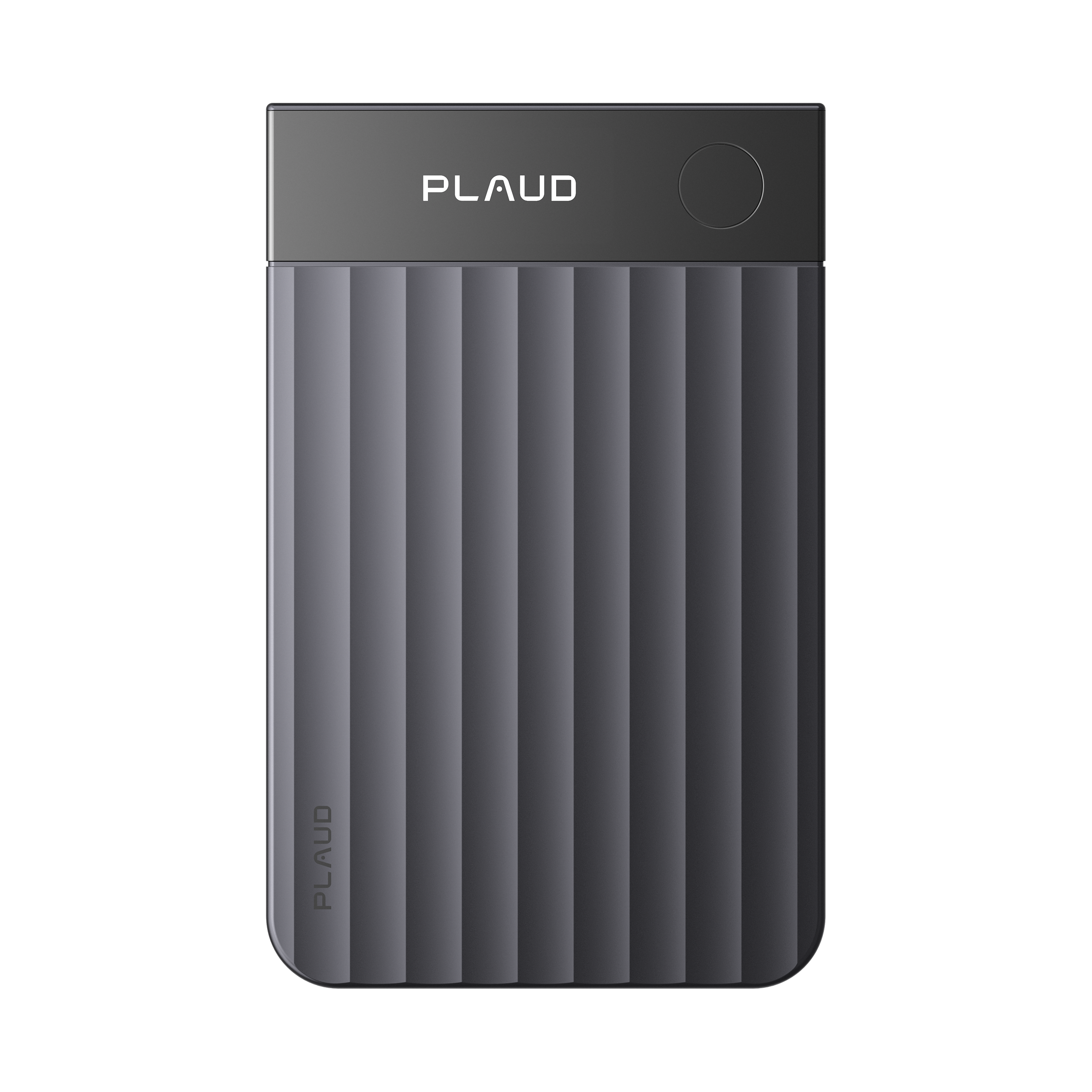
Plaud NotePin S

Plaud NotePin S

The world's most wearable physical AI note taker. Close-range audio in any environment, structured output after.

Wearable (4 styles) · 17.4 g wearable design · Up to 20 hours recording · AI transcription
Pickup range3 m
Recording timeUp to 20 hours
Standby40 days
Weight17.4 g
Get Plaud NotePin SCompare all methods

Pick the Plaud for your recording environment

NotePin S for wearable capture in any environment where you need the mic close to your voice. Note Pro for conference rooms and multi-speaker meetings where beamforming compensates for the distance to multiple speakers.

Plaud NotePin S

Plaud NotePin S

Wearable AI note-taking device for clear audio in any noisy environment.

★★★★★4.9(88)
  • 17.4 g wearable design
  • Four wearing styles
  • Up to 20 hours recording
  • AI transcription
$179.00
Buy Plaud NotePin S
Plaud Note Pro

Plaud Note Pro

Best for conference rooms and multi-speaker meetings with 4-mic beamforming.

★★★★★4.9(150)
  • 4 MEMS mics
  • 5 m pickup range
  • AI beamforming
  • Up to 30 hours recording
$189.00
Shop Plaud Note Pro

Frequently asked questions

What is the best way to audio record a meeting?

Place the recorder as close to the speakers as possible rather than in the center of a large table. Mic proximity is the single biggest factor in audio quality in a room with background noise.

What equipment do you need to record audio?

For clear audio in a noisy environment, the most important decision is mic type and placement. A directional microphone close to the source outperforms an omnidirectional mic at a distance.

Is it okay to audio record an interview?

Recording policies vary by jurisdiction and context. Most professional and academic settings require the consent of all participants before recording begins.

Why does my recording sound muffled or full of background noise?

The most common cause is mic distance. When the microphone is more than 30 cm from the speaker's mouth, background noise and the target voice arrive at similar levels.

Does software noise reduction fix a bad recording?

Software noise reduction improves audio quality but works best when the source recording is already reasonably clean. Getting the mic close to the source before recording is more reliable.