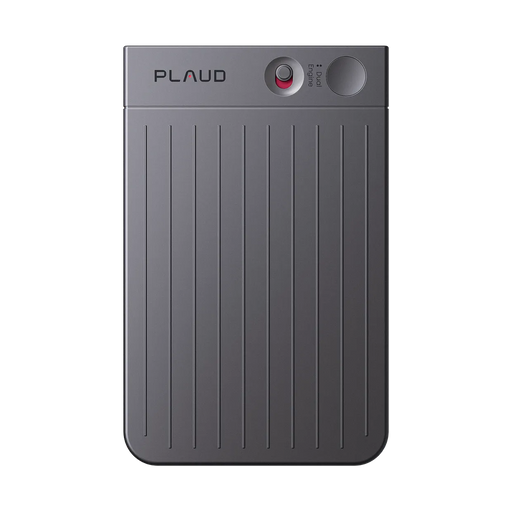
Plaud Note Pro
The AI recorder built for multi-speaker meetings. Four-mic beamforming for clean speaker separation in any meeting format.
Meeting recording · Multi-speaker transcription guide
Recording a meeting with multiple speakers is straightforward. Getting a transcript where every line is attributed to the right person is not. The bottleneck is almost always the microphone: a phone sitting at one end of a table cannot hear distant speakers clearly, and the diarization model assigns labels based on what it receives, not on what was actually said.
Best for multi-speaker meetings
Quick answer
Mic placement determines speaker label accuracy more than any other factor.
Always confirm all participants have given consent before recording any meeting. Inform everyone the session will be recorded and transcribed. Many jurisdictions require all-party consent. Get verbal or written confirmation before you start.
Mic distance from each speaker is the primary factor in speaker label accuracy. A centrally placed multi-mic recorder captures all voices at roughly equal distance.
Begin recording before the first person speaks. Starting late means the opener's remarks are not captured and the diarization model lacks context for that voice.
The transcript assigns lines to each detected speaker. Confirm or rename any generic labels so action items can be attributed by name.
Methods
Compared on how much setup each method requires, which meeting formats it covers, how accurate speaker labels are, and whether transcription is included.
A phone laid on the table records through a single mic. Speaker labels are wrong roughly 30% of the time because the mic cannot hear all participants equally.
The bot joins a video or phone call and labels speakers from the call audio. It cannot enter a physical room.
Records audio at better quality than a phone. No built-in diarization. Upload to a separate tool for manual labeling.
4 MEMS mics with AI beamforming capture all speakers at table distance. 5 m pickup from one central placement.
Based on common recording scenarios and Plaud product data. Always follow your organization's recording policy and local consent laws.
Tips
Diarization models assign labels by distinguishing voice characteristics in the audio signal. When the microphone is far from some speakers, their voices arrive quieter and with more room noise.
The easier way
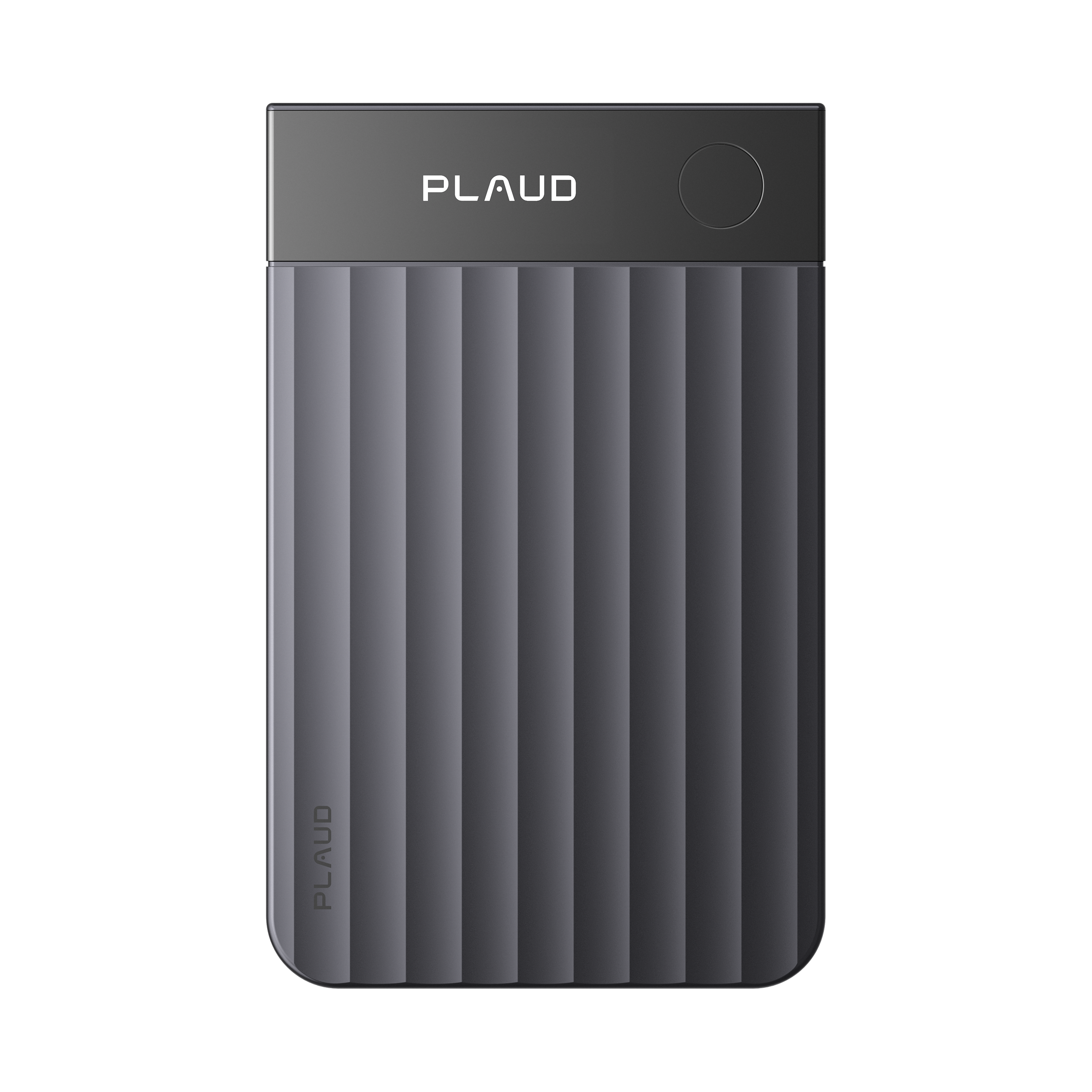
Plaud Note Pro is a physical AI recorder with 4 MEMS microphones and AI beamforming. It captures all speakers at a conference table from a single central placement.

The AI recorder built for multi-speaker meetings. Four-mic beamforming for clean speaker separation in any meeting format.
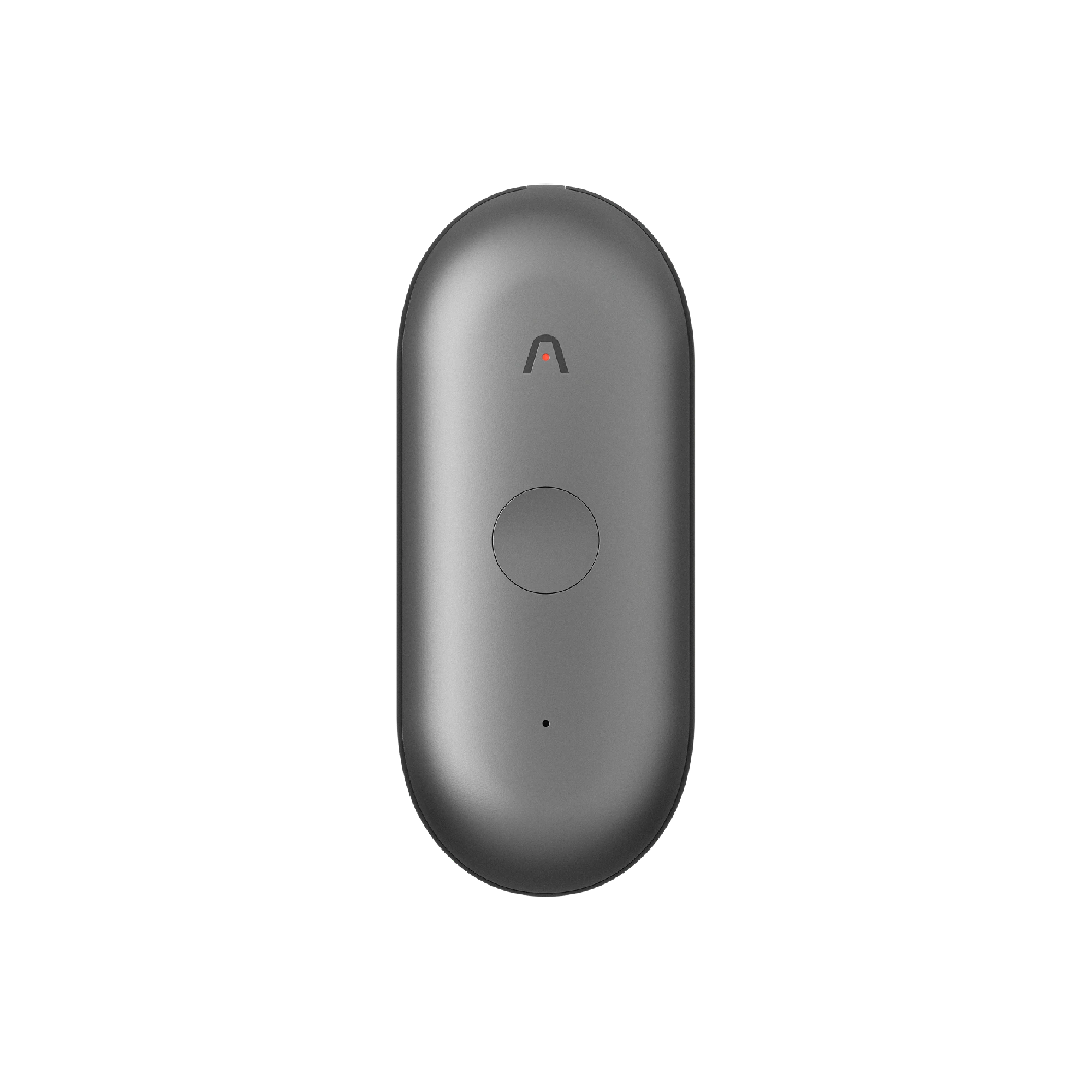
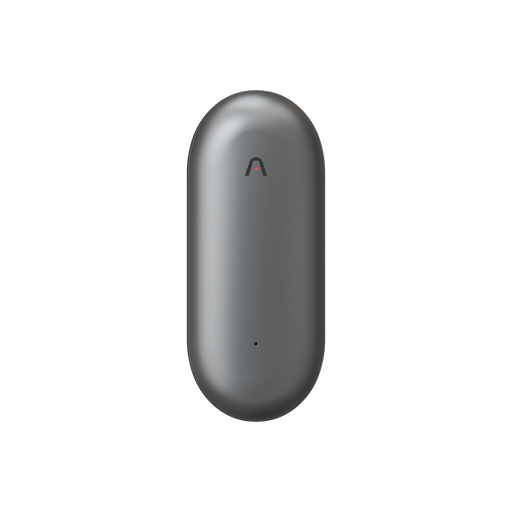
Plaud Note Pro for conference rooms, phone calls, and any session with multiple speakers at table distance. Plaud NotePin S for wearable in-person capture in one-on-one or small two-person settings.

The AI recorder built for multi-speaker meetings. Four-mic beamforming for clean speaker separation in any meeting format.

Best for wearable hands-free capture in face-to-face settings. Not designed for conference tables or phone calls.
For video calls, bots like Otter.ai, Fireflies, and tldv join the session and produce labeled transcripts. For in-person rooms and phone calls, a physical recorder with built-in AI transcription covers meeting formats that call bots cannot access.
The best setup combines good audio capture with transcription that includes speaker diarization. A recorder with multiple microphones placed at the center of the table captures all voices at close range.
Laws vary by jurisdiction. Many regions require all participants to consent before a meeting is recorded. Inform everyone at the start of the session and confirm they agree.
A single phone microphone merges all voices into one audio channel. Participants sitting far from the phone arrive quieter and with more room noise. A recorder with multiple directional microphones captures distinct voice streams.
Trending Search
Suggested Searches
Popular Products
Matching Results