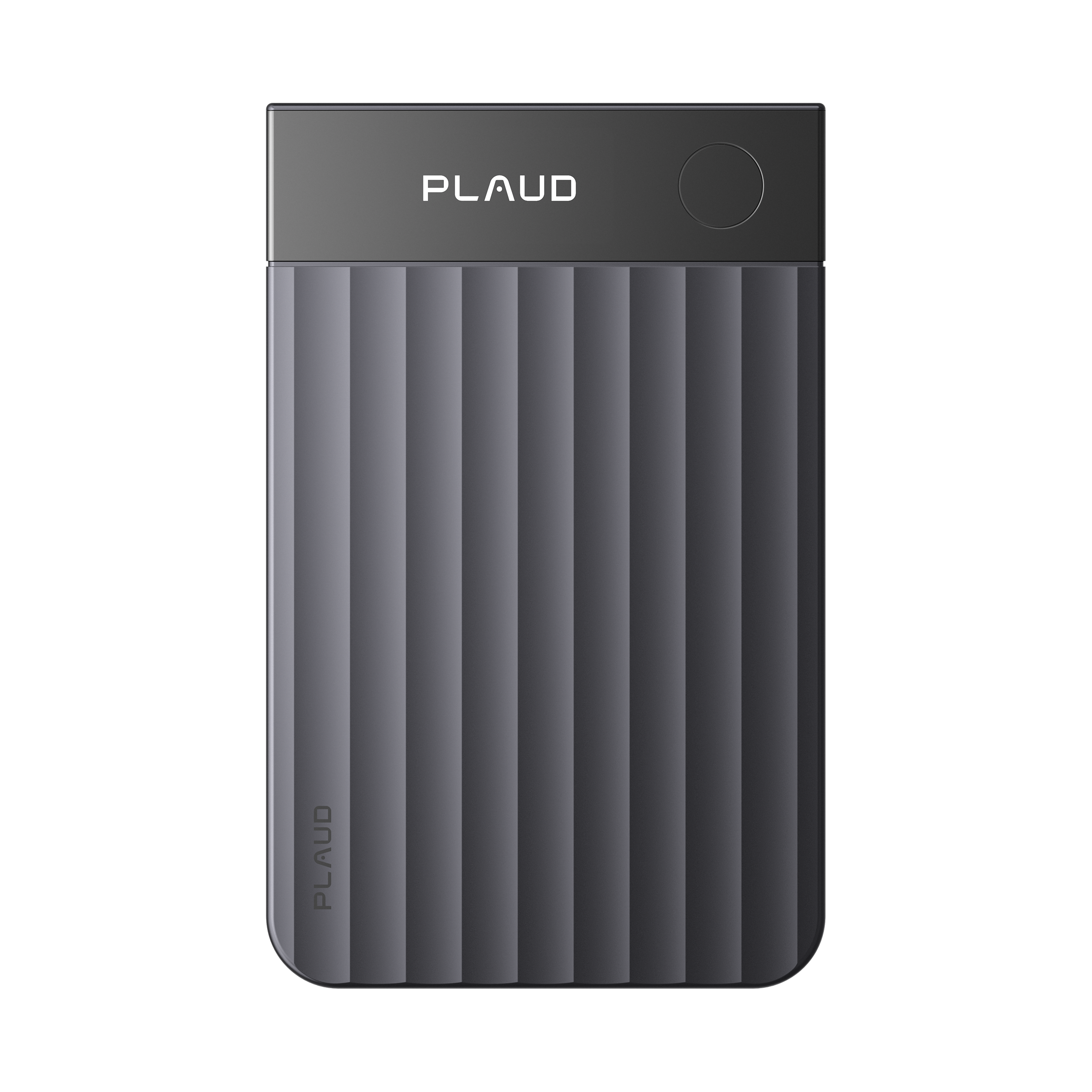
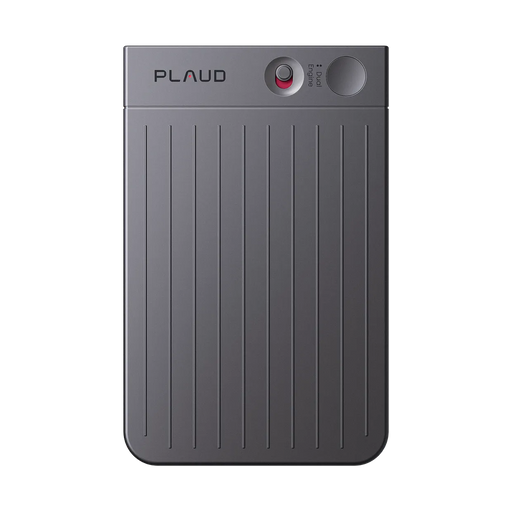
Plaud Note Pro
A physical AI recorder that covers virtual calls and in-person meetings. No platform login required.
Meeting recording · Step-by-step guide
Most recording failures happen before the meeting starts. The wrong method, a missing permission, or a tool you forgot to open can leave you with nothing. This guide covers four approaches to recording a meeting and explains which one fits each situation, from virtual calls to in-person sessions.
Best for virtual and in-person meetings
Quick answer
Confirm consent first. Then choose the method that fits your meeting type before you start.
Recording laws vary by country and state. Always tell all participants you are recording and get their agreement before you start. In many places, recording a meeting when participants have not agreed is illegal.
Platform recording works for virtual meetings hosted on Zoom or Google Meet. A phone or dedicated recorder works for in-person sessions. A device with dual-mode recording covers both without switching tools.
Starting early captures the moment the meeting opens and avoids cutting off the first speaker. Test your audio level with a short clip before a real meeting to catch setup issues in advance.
A recording on its own is not a meeting record. Transcribe it, identify decisions and action items, and assign owners. The faster this step happens, the more likely the notes get used.
Methods
Compared on whether the method covers in-person and virtual meetings, whether host permission is required, whether transcription is included automatically, and how much manual setup is needed each time.
Platform recording is built into most video tools and easy to start. It only works while you are on that platform.
A phone app picks up sound in the room and works without any platform access.
A laptop mic or screen recorder captures audio from your own session without host permission.
Plaud Note Pro captures in-person meetings through four MEMS mics with AI beamforming, and phone calls through smart dual-mode.
Based on common meeting recording workflows and Plaud product data. Always follow your organization's recording policy and local consent laws before recording any meeting.
Tips
The method you choose before a meeting determines what you can do after it. Platform access, device range, transcription path, and manual startup steps each create a point where the recording can fail or become unusable.
The easier way
Plaud Note Pro uses smart dual-mode recording to cover both virtual calls and in-person sessions. For phone calls, it attaches to the back of your phone and captures both sides of the audio directly. Always confirm that all meeting participants have consented before recording.

A physical AI recorder that covers virtual calls and in-person meetings. No platform login required.
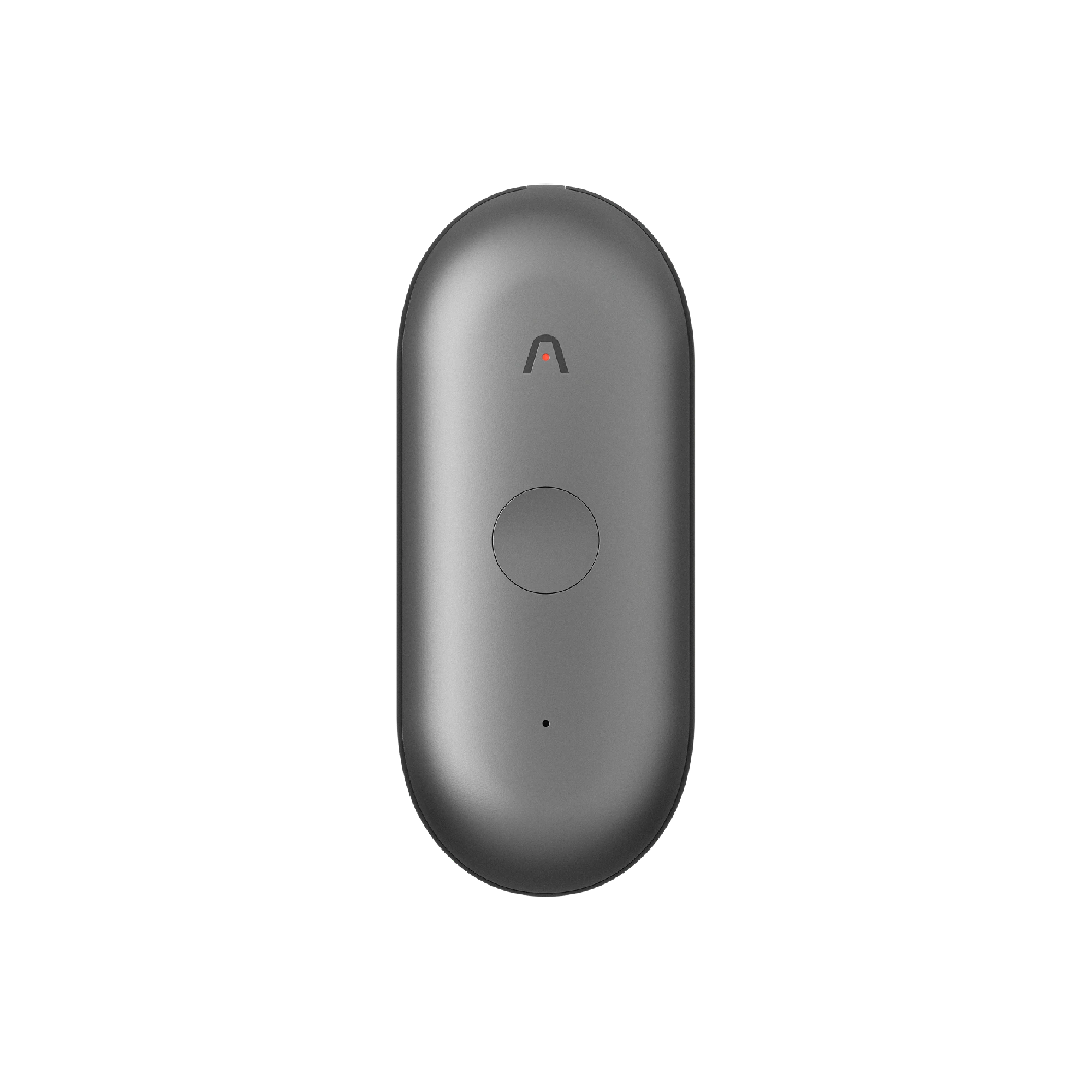
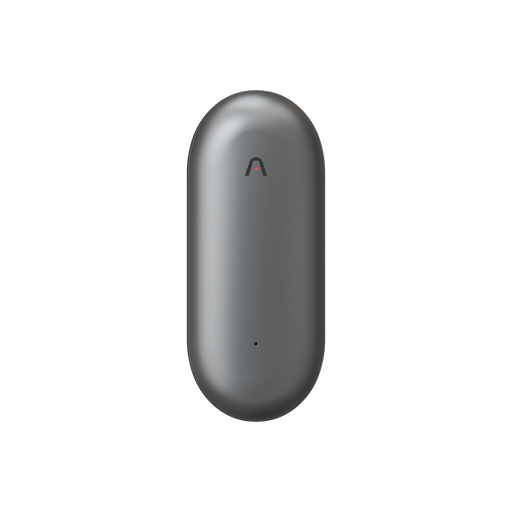
Plaud Note Pro works for both virtual calls and in-person meetings. Plaud NotePin S is designed for in-person meetings where wearing the recorder keeps it close to all speakers.

A physical AI recorder that covers virtual calls and in-person meetings.

Better for smaller in-person meetings where a wearable device keeps the recorder close to all speakers.
The fastest path is to record the meeting audio and let an AI tool generate structured notes automatically.
Record the full meeting, then use an AI notes tool to extract decisions, action items, and key discussion points.
The best method depends on the meeting type. Plaud Note Pro covers both types with smart dual-mode.
Yes. Recording laws vary by country and state. Always tell participants you are recording and get their agreement before you start.
Upload the audio file to a transcription tool, or use a recorder that transcribes automatically.