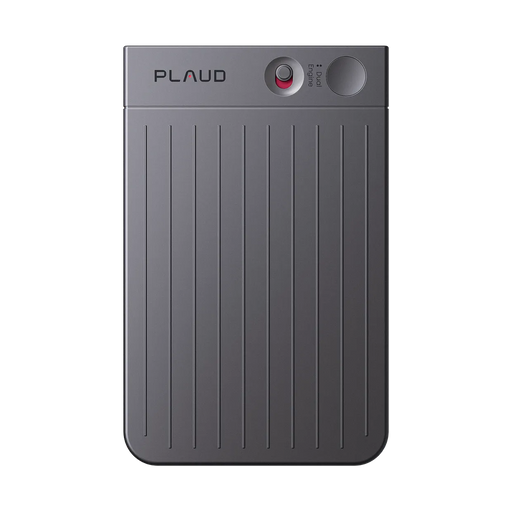
Plaud Note Pro
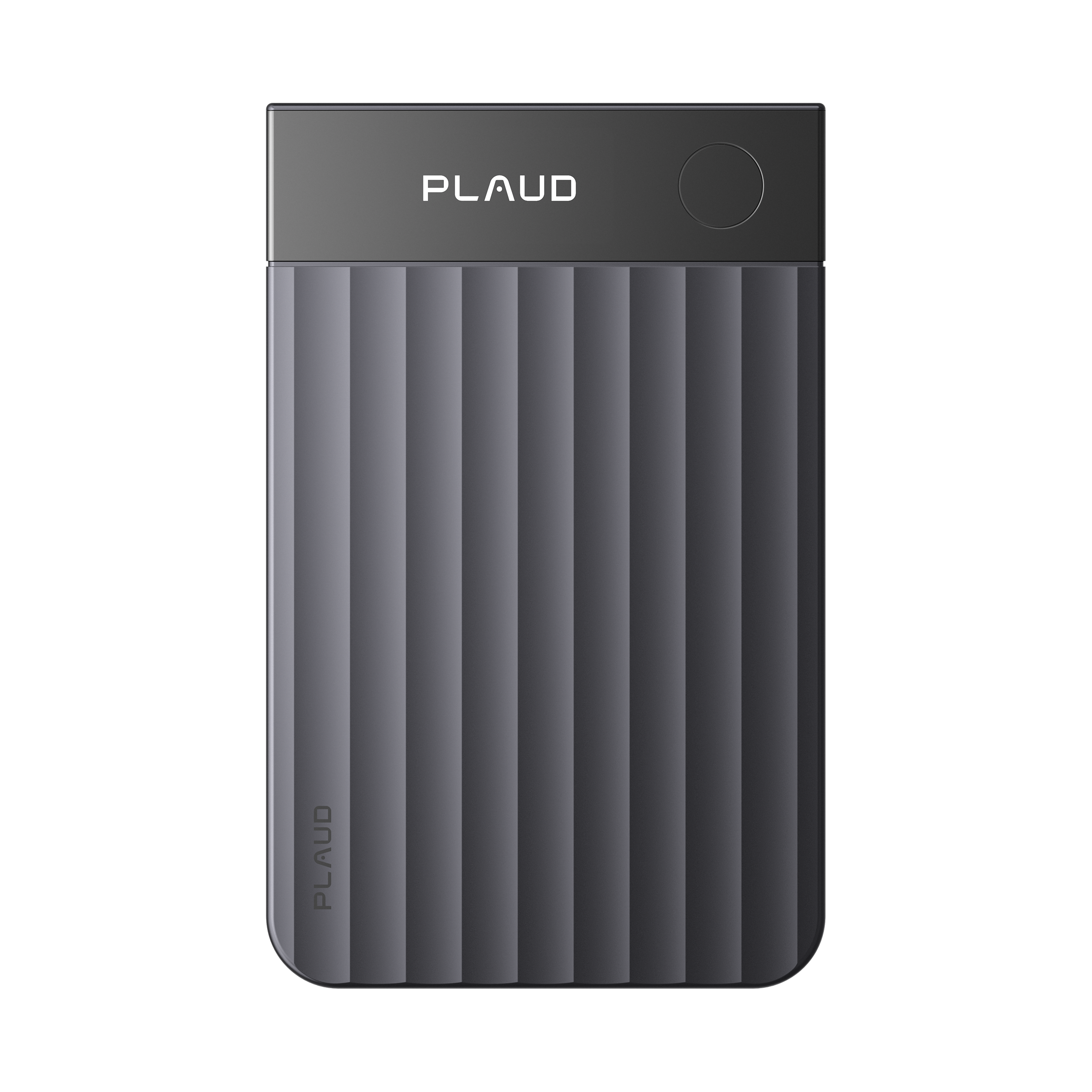
A physical AI note taker built for meeting recordings. Four MEMS mics with AI beamforming. Structured action items with named owners generated automatically.
Meeting recordings · How-to guide
Replaying an entire recording to find who said what and who owns which task takes longer than the meeting itself. This guide shows four methods for extracting action items from a meeting recording and explains where each one breaks down before the list ever reaches your team.
Best for structured action items with named owners
Quick answer
Recording quality sets a ceiling on what action items you can extract. The tool you use determines whether attribution happens automatically or manually.
Ask all participants for their consent before recording any meeting. Record from a central position or use a device with a wide pickup range. Audio quality at this step determines how accurately the transcript captures each speaker.
Use a tool that converts speech to text without manual upload. The transcription step is where most workflows stall. A device that syncs directly to a transcription app removes this bottleneck.
A raw transcript does not contain action items. Apply a meeting summary template that forces the output into decisions, action items, and owners. Generic bullet lists skip the owner field and are rarely acted on.
Verify that each action item has a named owner and a clear next step. Send the structured list to your team within the same session so nothing relies on memory.
Methods
Compared on manual effort required, whether action item attribution is generated automatically, how long it takes to go from recording to shareable list, and whether the method works for in-person meetings.
Listen back to the full recording, write down each decision and task by hand, then format and distribute the list. No tool is required but the time cost scales directly with recording length.
Export the audio or transcript, upload it to an AI tool, and prompt for action items. Output quality depends on transcript accuracy and the prompt you write.
A bot joins the meeting link automatically and records the session. After the call it generates a summary with action items. Requires calendar access and an active video meeting link.
Plaud Note Pro records through four MEMS mics with AI beamforming. The Plaud App syncs on open and Plaud Intelligence applies a meeting template with action items, decisions, and owners extracted automatically. Always record with participant consent.
Based on common meeting workflows and Plaud product data. Always obtain consent from all participants and follow local recording laws before recording any conversation.
Tips
Four things determine whether a recording produces usable action items. Owner attribution comes first. Without a named owner, a task is a suggestion. Transcript quality, processing speed, and meeting format coverage each decide whether the list reaches the team or gets abandoned after the recording ends.
The easier way
Plaud Note Pro records through four MEMS mics with AI beamforming and a pickup range of up to 5 meters. The Plaud App syncs on open and Plaud Intelligence applies a meeting summary template automatically. Over 10,000 templates cover meeting types, project reviews, client calls, and more. You get a structured list of action items with named owners minutes after the meeting ends. Always obtain consent from all participants before recording any session.

A physical AI note taker built for meeting recordings. Four MEMS mics with AI beamforming. Structured action items with named owners generated automatically.
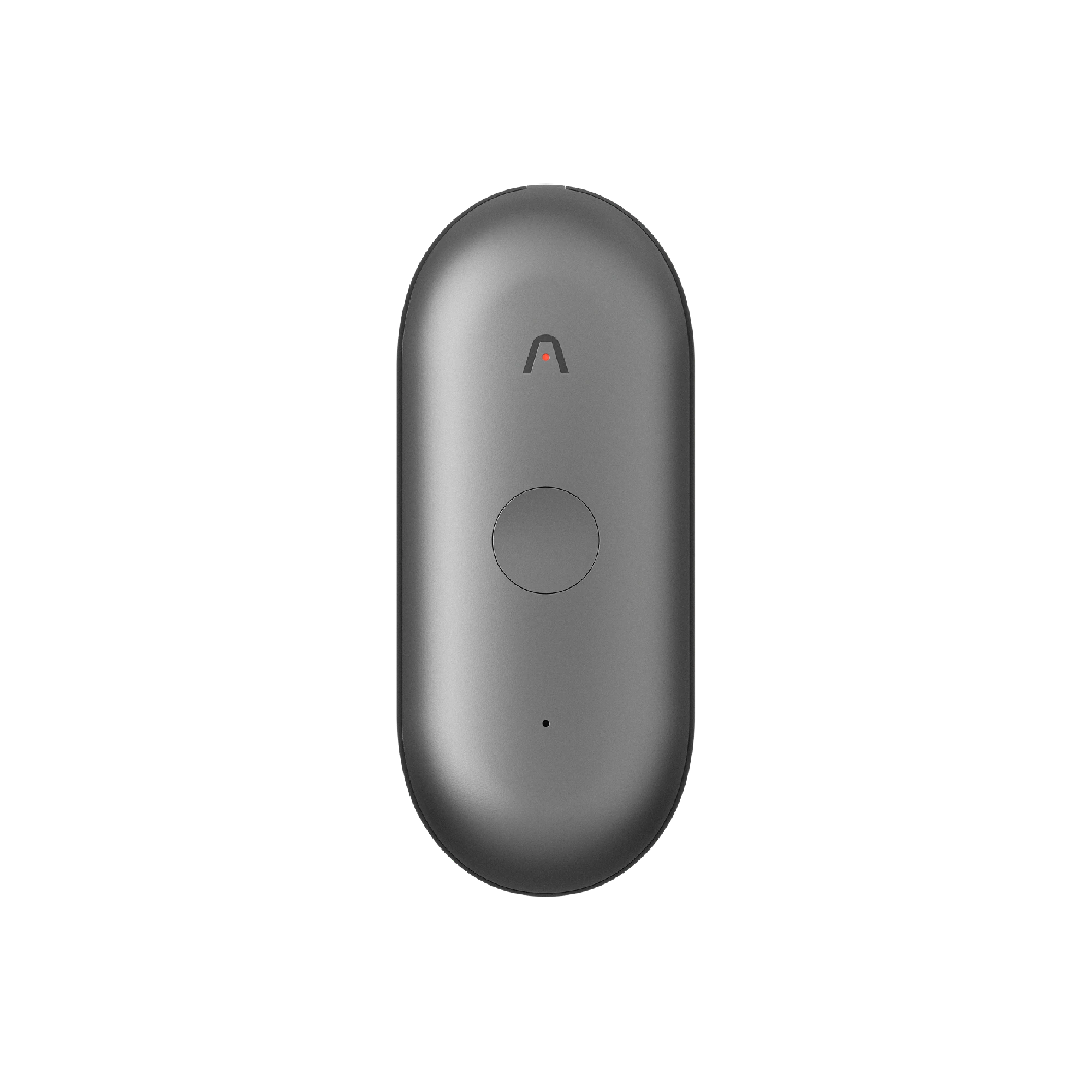
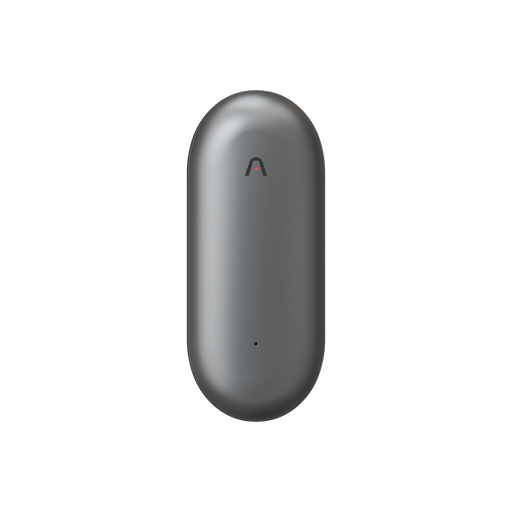
Plaud Note Pro for meeting rooms, phone calls, and hybrid sessions where a 5-meter pickup range covers the full table. Plaud NotePin S for in-person meetings where a wearable device keeps the mic close to speakers throughout the session.

A physical AI note taker built for meeting recordings. Four MEMS mics with AI beamforming. Structured action items with named owners generated automatically.

Better for in-person meetings where a wearable device keeps the mic close to speakers. Plaud Intelligence AI notes are generated after each session.
Transcribe the recording, then apply a meeting summary template that includes a dedicated action items section. Most transcription tools return raw text. Plaud Note Pro with Plaud Intelligence applies a structured template automatically. Each action item appears with a named owner extracted from the transcript. No manual replay required.
Play back the recording or work from a transcript, then identify the main topics, key decisions, and follow-up tasks. AI tools can generate a summary from the transcript automatically. Plaud Intelligence applies a session-specific template from over 10,000 options and outputs decisions, action items, and owners in a structured format.
Yes. AI transcription tools can identify commitments, tasks, and owners from a meeting transcript. Accuracy depends on audio quality and whether the tool uses a structured output template. Plaud Intelligence applies a meeting template to the transcript and returns a formatted action items list with speaker attribution.
Each action item should include a clear task description, a named owner, and a target completion date. Items without an owner or deadline are rarely completed. Plaud Intelligence extracts the owner from speaker attribution in the transcript and formats each item for direct use in project tools.
Yes. Recording laws vary by country and state. In most jurisdictions, all participants must consent before a conversation is recorded. Always inform everyone in the meeting before you start recording and confirm they agree. Check local regulations if you are unsure which rules apply in your location.
Trending Search
Suggested Searches
Popular Products
Matching Results