As a team lead, I run three to five meetings a day. Standups, cross-team syncs, 1:1s, weekly reviews, and those "quick 10-minute chats" that always run long.
My problem isn't the meetings themselves. It's what happens after. I spend 20 to 30 minutes writing up notes, pulling out action items, and pinging people on Slack to confirm who owns what. Half the time, someone replies "that's not what I said." Then it's another thread, another call, and the task that was supposed to ship this week slips to next week.
If you're an IC who sits in one or two meetings a day and just needs personal notes, a simple doc or Apple Notes will do. This article is for people who run meetings for a living and need their notes to actually drive follow-through.
How we chose the best AI meeting note takers in 2026
The hidden cost most people miss
The sticker price of a meeting tool is easy to compare. What's harder to see is the time tax.
I used to think my meeting problem was about recording. It wasn't. The real bottleneck was the 20 to 30 minutes I spent after each meeting turning a messy transcript into something I could actually share with my team. Multiply that across four meetings a day, five days a week, and you're looking at roughly eight hours of post-meeting admin. That's a full workday, every week, just processing conversations I already had.
The tools on this list aren't ranked by how well they record audio. They're ranked by how much post-meeting work they eliminate. A tool that gives me a perfect transcript but still requires me to manually extract action items and format notes doesn't actually save time. It just shifts the work.
What I actually look for
After testing about a dozen tools over the past year, I've landed on three things that matter most for team leads:
Where my meetings happen. This is the first filter. If 80% of your meetings are in a conference room, most software tools won't even work, they only join Zoom or Teams calls. If you're mostly remote, a hardware recorder is overkill. I'm roughly 60/40 (in-person to remote), which is why I ended up with a hybrid setup.
How fast I get usable notes. "Usable" means I can drop the notes into Slack or Notion within five minutes of a meeting ending, with action items clearly called out and owners tagged. Some tools give you a transcript in two minutes but take another 15 to clean up. Others give you structured notes in five minutes, ready to share. That difference matters when you have back-to-back meetings.
What happens to the notes after. Do they sit in the tool's app, or do they flow into Slack, Notion, Jira, or wherever my team actually works? If I have to copy-paste notes from one app to another, that's friction I'll eventually stop dealing with.
6 Best AI meeting note takers for team leads
Quick comparison
| Tool | Works well when | Falls short when | Best for |
|---|---|---|---|
| Plaud Note Pro + Plaud Intelligence | Conference room meetings, mixed formats | 90%+ remote, need real-time collab | Team leads with regular in-person meetings |
| Otter.ai | Remote-first teams on Zoom/Meet/Teams | In-person meetings, non-English teams | Team leads who live on video calls |
| Fireflies.ai | Cross-functional teams, CRM-heavy workflows | In-person meetings, budget-conscious teams | Team leads managing sales or client calls |
| Avoma | Structured follow-ups, sales cycles | Small teams, simple meeting needs | Team leads who need workflow automation |
| Sembly AI | Multilingual teams, decision tracking | In-person meetings, deep integrations | Team leads with global or cross-language teams |
| Supernormal | Fast turnaround, lightweight teams | Complex workflows, in-person meetings | Team leads who just want quick notes |
Plaud Note Pro + Plaud Intelligence
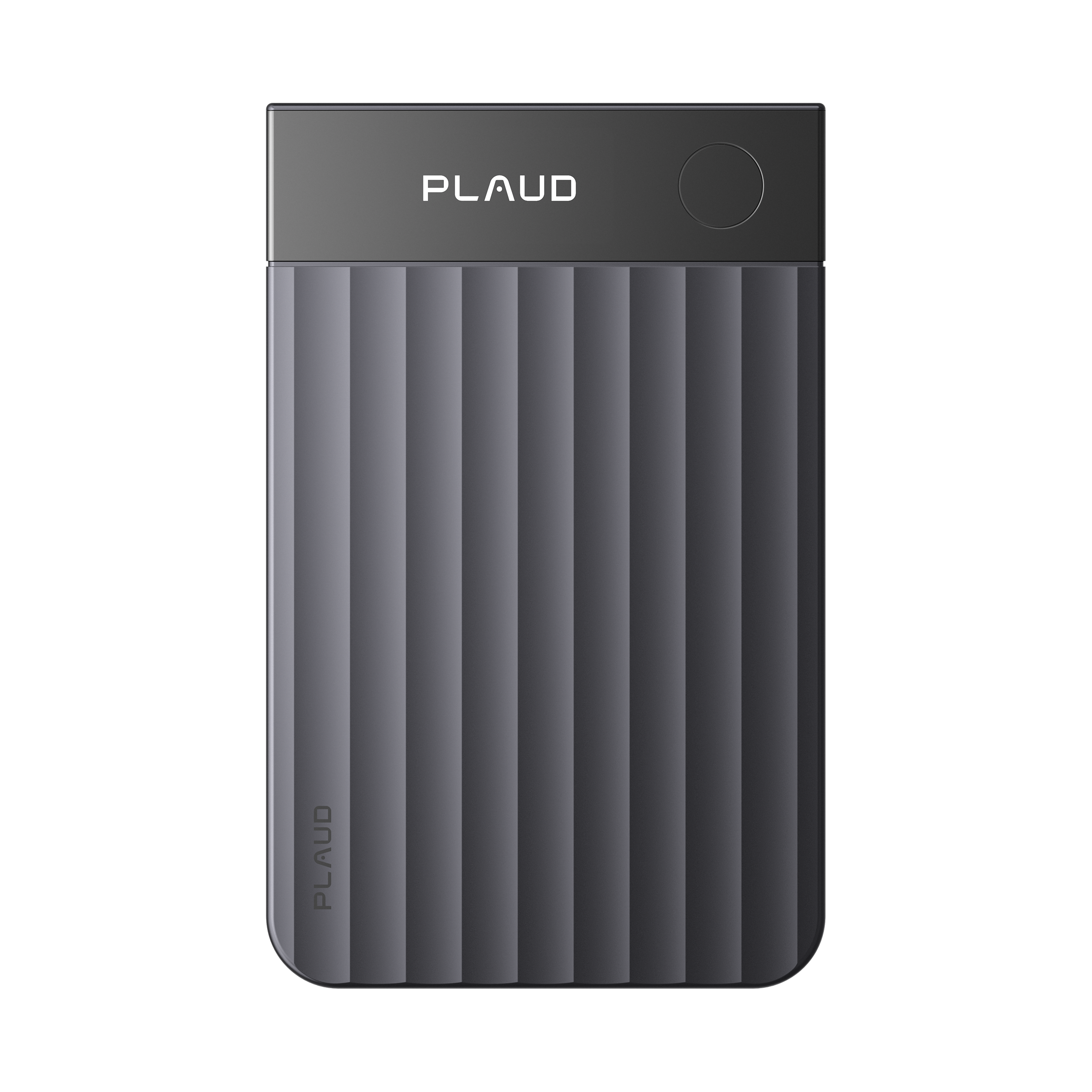
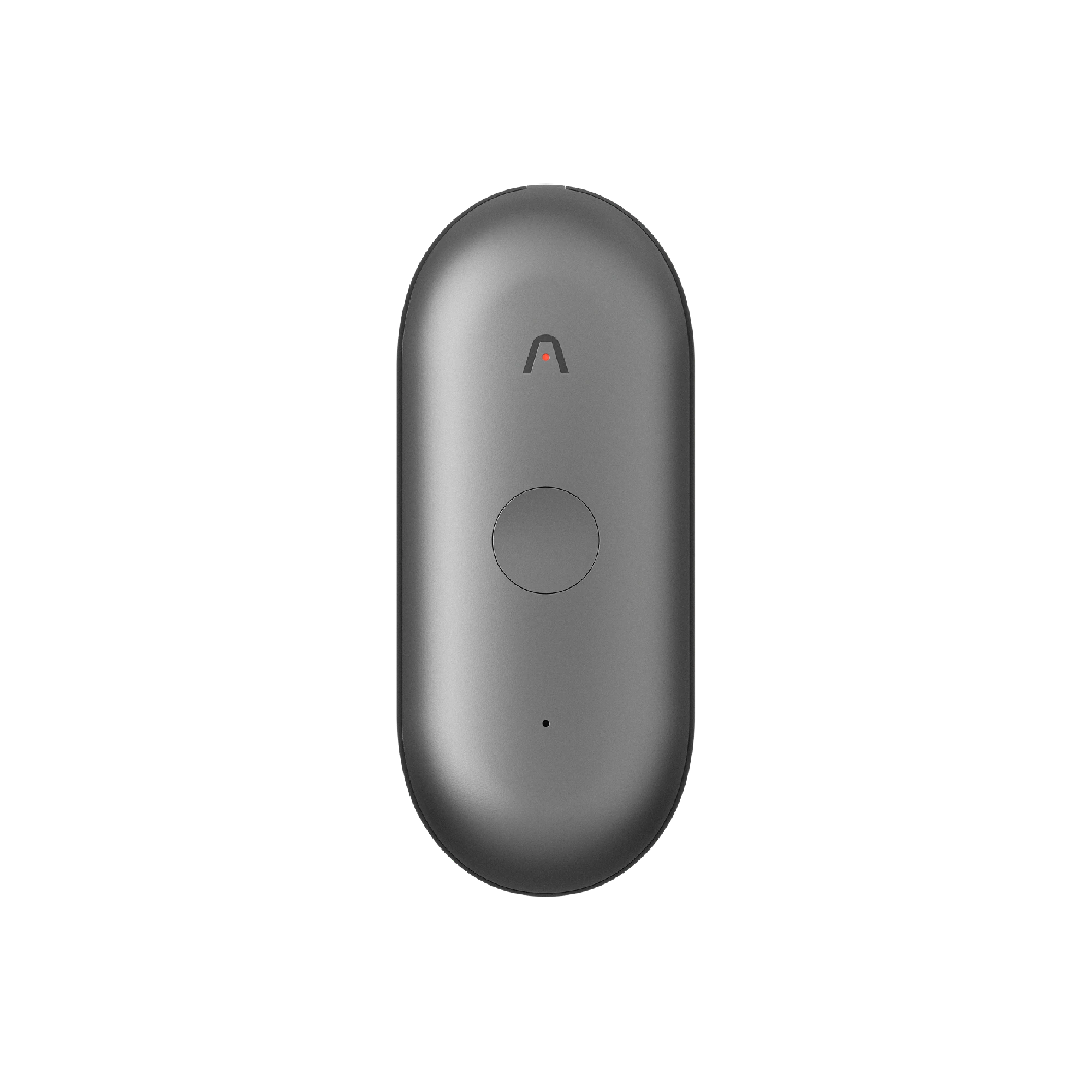
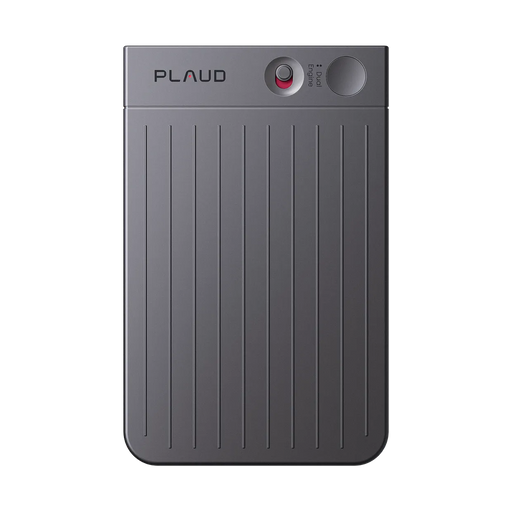
Plaud Note Pro is a hardware recorder paired with an AI engine called Plaud Intelligence, and the combination is built for one specific scenario: in-person meetings where software tools can't reach.

Why it works for team leads
I keep the Note Pro on the conference table during standups and planning sessions. It picks up everyone clearly, even in a room with eight or ten people. I don't have to think about battery much — it gets up to 30 hours of recording in Enhance Mode (or 50 hours in Endurance Mode), which in practice lasts me about a week and a half of regular meeting use. When the meeting ends, I sync it to the app and get structured notes within about five minutes. Not a raw transcript, but actual formatted notes with action items pulled out.
What sold me was Plaud Intelligence's template system. I set up a "team standup" template that automatically sorts output into blockers, decisions, and action items. For 1:1s, I use a different template that focuses on goals and follow-ups. The AI adapts the summary format depending on the template, so I don't spend time reformatting.
I always use the highlight button during longer planning meetings. When someone commits to a deadline or a key decision gets made, I just press it, and that moment gets flagged in the summary. It saves me from scrubbing through a 45-minute recording trying to find the one sentence that matters.
Another thing I appreciate: Plaud Desktop lets me record Zoom and Teams meetings from my laptop, so I'm not limited to in-person. It's not a perfect replacement for native meeting bots (more on that below), but it means one tool covers both scenarios.
Where it's not the best choice
If 90% of your meetings are on Zoom or Teams, a software tool like Otter or Fireflies will serve you much better. They seamlessly auto-join calls, capture screen shares, and identify speakers via video feeds. While Plaud Note Pro can technically record online meetings, there’s simply no need to invest in a dedicated hardware device for what amounts to a minority of your workflow.
The other limitation: there's no real-time collaboration. My team can't see notes as the meeting is happening. With Otter, my co-lead can watch the transcript live and add comments during the call. Plaud's workflow is more "record now, share notes after," which works fine for me but might not for everyone.
Pricing: The device is $179. Plaud Intelligence is free for 300 minutes/month on the Starter plan, $99.99/year for the Pro plan (1,200 minutes/month), or $239.99/year for unlimited. For a team lead doing three to five meetings a day, the unlimited plan makes sense.
Otter.ai
If your team is mostly remote and your meetings live on Zoom, Google Meet, or Teams, Otter is probably the first tool you should try.
Why it works for team leads
Otter's biggest advantage is that it joins meetings automatically. I connect my calendar, and it shows up to every call without me doing anything. During the meeting, it transcribes in real time, which means my team members can follow along, highlight sections, and add comments while the conversation is still happening.
For standups and quick syncs, this live collaboration feature is surprisingly useful. My co-lead and I split note duties: she watches the transcript during the call and tags action items as they come up. By the time the meeting ends, the notes are basically done.
Speaker identification works well on video calls because Otter can match voices to participant names. In a five-person standup, it correctly labels who said what about 90% of the time. The AI summary that drops into Slack a couple minutes after the meeting is usually good enough to share directly, though I tweak it occasionally.
Where it's not the best choice
Otter doesn't cover in-person meetings. If I'm in a conference room, it has no way to record or transcribe what's happening. For team leads like me who split time between in-person and remote, that's a real gap.
The other issue I've run into: non-English accuracy drops noticeably. I have team members who speak English as a second language, and Otter sometimes garbles their contributions. It supports English, French, and Spanish — three languages total. If your team speaks anything else, you'll hit a wall.
One more thing that bugs me. Otter's bot joins meetings as a visible participant. Most of my internal team is used to it, but when I have cross-team meetings with people who haven't seen it before, someone always asks "who's the Otter bot?" It's a small thing, but it interrupts the flow.
Pricing: Free for 300 minutes/month (30 min per conversation). Pro is $8.33/user/month billed annually (1,200 minutes/month). Monthly billing is $16.99/user/month. Business is $20/user/month billed annually (6,000 minutes/month). The minute caps are real. If you run four to five meetings a day, you'll burn through the Pro tier by mid-month.
Fireflies.ai
Fireflies does what Otter does (auto-join, transcribe, summarize) but adds a layer of meeting intelligence and CRM integration that makes it better suited for team leads who manage client-facing or cross-functional work.
Why it works for team leads
The auto-join and transcription work the same as Otter, so I won't repeat that. Where Fireflies pulls ahead is in what happens after the meeting. Its "Smart Search" lets me search across all past meetings by keyword, speaker, or topic. When someone says "we already decided this in the last sync," I can actually look it up in about 30 seconds.
The CRM integrations are where Fireflies earns its keep for some teams. If you manage a team that talks to clients or runs sales cycles, meeting notes can automatically flow into Salesforce or HubSpot. I don't use that feature myself, but the team lead on our sales side swears by it.
Fireflies also generates conversation analytics: talk-to-listen ratios, topic breakdowns, and question frequency. I've used this a few times to coach junior team leads on how to run better meetings. Seeing that you talked 70% of the time in a "brainstorm" session is a useful reality check.
Where it's not the best choice
Same limitation as Otter: no in-person coverage. It's a software bot that joins video calls, period.
Pricing gets complicated fast. The Pro plan looks cheap at $10/user/month annually, but AI features run on credits. You get a limited number of credits per plan, and once they're gone, you need to buy more. I've seen team leads get surprised by unexpected charges after leaning heavily on the AskFred AI assistant. The credit system isn't transparent upfront, and that frustrates me.
Also, the free tier caps storage at 800 minutes, which fills up quickly if you're in meetings all day. And the meeting bot is visible to participants, same as Otter.
Pricing: Free with 800 min storage. Pro at $10/user/month annually. Business at $19/user/month annually. Enterprise at $39/user/month annually. AI credits cost extra ($5 to $600 depending on volume).
Avoma
This one is different from the other software tools on this list. Avoma isn't just a meeting recorder; it tries to manage the entire meeting lifecycle, from agenda to follow-up.
Why it works for team leads
Avoma shines when you need structured, repeatable meeting workflows. I tested it for our weekly planning meetings, and the custom note templates are genuinely useful. I set up a template with sections for "decisions made," "action items," and "open questions," and Avoma auto-fills each section after the meeting. The notes don't just drop into a blob of text. They arrive organized.
The action item tracking is more robust than what you get with Otter or Fireflies. Avoma assigns owners to action items, lets you track completion status, and surfaces overdue tasks in a dashboard. For a team lead managing multiple workstreams, that follow-through layer is valuable. I've caught slipping deadlines twice because Avoma flagged them.
It also generates follow-up email drafts automatically. After a client meeting, I get a pre-written recap with next steps that I can edit and send. That saves me ten minutes per meeting on average.
Where it's not the best choice
Avoma has a steep learning curve. Setting up templates, configuring integrations, and training the team to use the dashboard took about two weeks. For a three-person team that just wants quick notes after a standup, it's overkill.
The pricing is heavier too. The base AI Meeting Assistant plan starts at $19/user/month, but the real power (conversation intelligence, CRM auto-updates, coaching scorecards) requires add-ons that push the cost to $49 to $99/user/month. For a team of five, that adds up fast. I found it hard to justify the spend unless meeting follow-through is a serious bottleneck for the team.
And like the others: no in-person meeting support. Software bot only.
Pricing: AI Meeting Assistant at $19/user/month. Conversation Intelligence add-on at $29/user/month. Revenue Intelligence add-on at $39/user/month. 14-day free trial available with no credit card required.
Sembly AI
Sembly focuses on extracting decisions and tasks from meetings, and it does a better job at this specific thing than most general-purpose tools.
Why it works for team leads
What caught my attention was Sembly's "Collections" feature. I group all meetings related to a project into one collection, and then I can ask Sembly questions across the entire collection. "What decisions have we made about the API migration in the last month?" It pulls answers from multiple meetings, which is something most other tools can't do without you manually digging through individual transcripts.
The decision tracking is solid. After each meeting, Sembly flags statements that look like decisions (things like "we'll go with option B" or "let's push the deadline to March") and lists them separately from general action items. For team leads who run meetings where decisions get made but nobody writes them down, this is useful.
Language support is broad: 48 languages with reasonable accuracy. I've used it in meetings where two languages were spoken, and it handled the switch better than Otter did.
Where it's not the best choice
Same story: no in-person meeting recording. It's a bot that joins Zoom, Teams, Meet, and Webex.
The collaboration features feel lighter than Otter or Avoma. There's no real-time co-editing during a meeting, and sharing notes with non-Sembly users requires sending a link rather than pushing directly to Slack or Notion. The integrations exist through Zapier, but they're not as smooth as Fireflies' native connections.
The free tier is practically unusable at 60 minutes/month. You'd burn through that in a single standup. And the Professional plan at $15/month is per-user with a 900-minute upload cap, which feels tight for heavy meeting schedules.
Pricing: Free at 60 minutes/month. Professional at $15/month (unlimited recording, 900 min upload). Team at $29/user/month. Enterprise pricing is custom.
Supernormal
If you want the fastest path from "meeting ends" to "notes in Slack," Supernormal is the lightest option on this list.
Why it works for team leads
Supernormal's pitch is simplicity, and it delivers on that. It joins my Zoom and Teams calls, records the meeting, and drops a clean summary with action items into my workspace within a couple of minutes. No complex setup, no dashboard to learn, no credit system to manage.
For Google Meet specifically, it works through a Chrome extension rather than a bot, so there's no visible participant joining your call. That's a nice touch for client meetings or cross-team syncs where the bot presence feels awkward.
The templates are basic but functional. I use one for standups and one for 1:1s, and they consistently give me what I need: a short summary, a list of decisions, and action items with owners. It's not trying to be a conversation intelligence platform. It's just a really fast note-taker.
One G2 reviewer put it well: "I've enjoyed it far more than when I was paying for Otter, and this is free." The free tier includes unlimited meetings with 1,000 minutes of storage per member, which is generous for a lite tool.
Where it's not the best choice
If you need deep analytics, CRM integration, or cross-meeting search, Supernormal isn't built for that. It captures individual meetings well, but it doesn't connect them into a bigger picture the way Fireflies or Sembly does.
I've also noticed the AI summaries can be inconsistent. For straightforward standups, they're fine. For longer, more complex planning sessions with multiple threads of discussion, the summary sometimes misses nuance or groups unrelated points together. I've had to manually fix notes after about one in five meetings, which partly offsets the time savings.
No in-person meeting support, same as the rest of the software tools. And the recent product pivot toward agency workflows means some integrations (like HubSpot direct sync) have been removed, which frustrated at least a few users I've seen on G2.
Pricing: Free Starter with unlimited meetings and 1,000 minutes storage. Pro at $10 to $19/member/month. Business at $29 to $39/member/month.

So which one should you pick?
After testing all six, here's my decision framework:
If 80%+ of your meetings are in a conference room or face-to-face, go with Plaud Note Pro + Plaud Intelligence. It's the only option that covers in-person meetings with quality recording and structured AI notes. Pair it with Plaud Desktop for the occasional Zoom call.
If 90%+ of your meetings are on Zoom, Meet, or Teams, start with Otter.ai for real-time collaboration, or Fireflies.ai if you need CRM integration and meeting analytics.
If your biggest problem is follow-through (tasks slipping, decisions getting lost), look at Avoma or Sembly. Avoma for structured workflows and action item tracking. Sembly for decision extraction and cross-meeting search.
If you just want fast, no-fuss notes, Supernormal gets the job done with minimal setup and a generous free tier.
If you're like me (mixed in-person and remote), the combination that works is Plaud Note Pro for conference room meetings and a software tool (I use Otter) for video calls. It's two tools instead of one, but nothing on the market covers both perfectly in a single product yet.
Conclusion
For team leads, the right AI meeting note taker isn't about which tool has the best transcription accuracy or the longest feature list. It's about which one actually eliminates the post-meeting admin that eats your day.
Here's what I'd suggest: spend one week tracking where your meetings happen and how you currently share notes. Count the in-person meetings vs. video calls. Note how much time you spend writing up notes and chasing action items. That data will make the choice obvious.
My setup right now: Plaud Note Pro for everything in-person, Otter for Zoom calls. Between the two, I've cut my post-meeting admin from about eight hours a week to roughly two. That's six hours back, every week. I'll take it.