Every Sales VP knows the moment: a rep says "this deal is closing end of month" during the weekly forecast review, and your gut tells you the number is soft. But you cannot prove it, because last week's call notes live in your memory, the CRM shows a stage update with no context, and the rep's verbal commitment from two pipeline reviews ago was never captured in a system anyone can reference. A 2024 Clari study found that gaps between what reps say on calls and what appears in the CRM are one of the main causes of forecast inaccuracy . The problem is not dishonesty; it is that oral updates evaporate within hours while pipeline decisions persist for quarters. This guide evaluates five AI note takers through the specific lens of forecast accuracy: which tools turn spoken commitments, deal updates, and risk signals into verifiable, traceable records that make your forecast defensible?
How we chose the best AI note takers for forecast calls in 2026
Forecast calls occupy a unique position in the sales workflow. They are not customer-facing conversations; they are internal accountability sessions where the quality of the data shared directly determines the accuracy of revenue predictions that reach the board.
Why forecast calls need more than transcription
A transcript of a forecast call tells you what was said. It does not tell you whether what was said is consistent with what was said last week, whether the deal timeline has slipped for the third consecutive review, or whether the rep's confidence language ("definitely closing" versus "should close") has shifted in a direction that signals risk.
The gap between transcription and forecast intelligence is the difference between a note-taking tool and a forecast accountability tool. Transcription captures words. Forecast-grade capture identifies the specific data points that matter: dollar amounts, close dates, stage changes, risk factors, competitive mentions, and next steps. It then tracks how those data points change over time, across multiple forecast calls, so that the Sales VP can spot patterns that a single call's notes would never reveal.
This is why the tools that serve forecast calls well tend to be more analytically oriented than general-purpose note takers. The value is not in recording what happened on one call; it is in creating a longitudinal record that holds reps accountable to their own stated timelines and that gives leadership a data-backed basis for the number they present to the CEO.
The 3 decision variables for forecast call note takers
After evaluating tools across real forecast workflows (weekly pipeline reviews, rep 1-on-1s, quarterly board prep), I focused on three variables:
Number and commitment capture accuracy: Can the tool automatically extract specific dollar amounts, close dates, deal stages, and verbal commitments from a forecast call? When a rep says "Acme is at $240K, moving to negotiation, targeting March 15 close," those three data points need to appear as structured, searchable records, not buried in paragraph eight of a transcript.
Deal change tracking over time: Can the tool compare what a rep said about a deal this week with what they said last week and the week before? The most valuable forecast insight is trend data: Has this deal's close date slipped three times? Has the dollar amount decreased from $300K to $240K over four reviews? Has the rep's language shifted from confident to hedging? Tools that treat each call as an isolated event miss the longitudinal signals that predict forecast accuracy.
Historical trend retrieval: Before a board meeting or a CEO update, can you pull up the complete history of how a specific deal was discussed across all forecast calls? The ability to say "Rep X has moved the Acme close date three times in six weeks, from February 1 to March 15" is the difference between a forecast built on data and one built on the most recent conversation.
Quick Comparison
|
Tool |
Works well when |
Falls short when |
Best for |
|
Gong |
Deep deal intelligence + rep accountability |
Small teams; tight budgets; offline conversations |
Sales VPs who need forecast verification at scale |
|
Chorus by ZoomInfo |
Enterprise pipeline analytics + competitive tracking |
Individual use; non-English teams; offline |
Large sales orgs with dedicated RevOps |
|
Fireflies.ai |
Lightweight CRM sync + meeting documentation |
Deep deal analytics; offline conversations |
Mid-market teams wanting fast CRM automation |
|
Offline exec conversations + board prep discussions |
Needs platform-native deal analytics |
Sales VPs who also prep forecasts in hallway and 1-on-1 settings |
|
|
Otter.ai |
Budget-friendly Zoom transcription |
Deal tracking; analytics; CRM integration |
Individual leaders needing affordable call notes |
5 best AI note takers for forecast calls
Gong
The deal intelligence engine that verifies whether your forecast matches reality.
Why it works
Gong was built for exactly the type of accountability that forecast calls demand. The platform records virtual forecast reviews, rep 1-on-1s, and customer-facing calls, then applies conversation intelligence models that go far beyond transcription to surface the signals that predict forecast accuracy.
The deal tracking capability is the core value for Sales VPs. Gong creates a longitudinal record for every deal in the pipeline, pulling data from every call where that deal was discussed. When a rep presents the Acme deal during the weekly forecast review, Gong can show you the complete conversation history: what the rep said about Acme last week, two weeks ago, and a month ago. If the close date has moved three times, if the dollar amount has decreased, or if the rep's language has shifted from "locked in" to "working through some concerns," those patterns are visible in the deal timeline without manual tracking.
The risk signal detection automates the gut-check that experienced Sales VPs do intuitively. Gong flags deals where close dates have slipped repeatedly, where competitive mentions have appeared in recent customer calls, where champion engagement has decreased, or where the rep's confidence indicators have weakened. For a VP managing 50 to 100 active deals, this algorithmic risk scoring replaces the impossibility of personally tracking every deal's trajectory through memory alone.
CRM integration is comprehensive. Gong pushes deal risk scores, call summaries, and commitment tracking directly into Salesforce, giving RevOps a data layer that can feed into forecast models and board reporting.
Where it is not the best choice
Gong's pricing reflects its enterprise positioning, typically running $100 to $150 per user per month on annual contracts with seat minimums. For a startup sales team of 5, the cost may exceed the entire CRM budget. The platform also operates exclusively through virtual meeting platforms; it cannot capture the hallway conversation where your top rep tells you "that deal is actually at risk" or the phone call where a board member asks you to walk through the top 5 deals. If a meaningful portion of your forecast-related conversations happen offline, Gong has a blind spot precisely where candor tends to be highest.
Chorus by ZoomInfo
Enterprise pipeline analytics that turn forecast calls into a competitive intelligence feed.
Why it works
Chorus (now part of ZoomInfo's revenue intelligence suite) approaches forecast calls from the pipeline analytics angle. The platform records and analyzes virtual sales calls, then maps conversation signals to deal health metrics that feed directly into pipeline forecasting models.
The competitive mention tracking is particularly relevant for forecast accuracy. When reps discuss deals during pipeline reviews, Chorus flags every instance where a competitor is mentioned, categorizes the context (new entrant, incumbent displacement, feature comparison), and tracks how competitive dynamics shift across reviews. For a Sales VP, this means the forecast is not just about dollar amounts and dates; it includes a competitive risk layer that traditional CRM data cannot provide.
The team benchmarking features allow VPs to compare forecast accuracy across their team: which reps consistently hit their committed numbers, which ones over-forecast, and which deals tend to slip by stage. This creates a calibration framework that improves forecast precision over time. Chorus also integrates with ZoomInfo's broader data platform, which can enrich deal records with buyer intent signals and contact data.
For organizations with dedicated RevOps functions, Chorus's analytics can feed into Clari, Salesforce, or custom forecasting models, providing the conversation-derived data layer that complements CRM stage data and activity metrics.
Where it is not the best choice
Chorus shares Gong's fundamental limitations: virtual-platform-only recording, enterprise-level pricing with seat minimums, and English-language optimization that reduces accuracy for non-English markets. The platform's value also scales with team size; a Sales VP overseeing 3 reps gets less analytical leverage than one overseeing 30, because the pattern detection and benchmarking features require sufficient data volume to generate meaningful insights. For smaller teams, the cost-to-insight ratio may not justify the investment compared to lighter alternatives.
Fireflies.ai
Automated forecast call documentation with CRM sync and deal keyword tracking.
Why it works
Fireflies.ai occupies the middle ground between full conversation intelligence platforms (Gong, Chorus) and basic transcription tools (Otter). For forecast calls, its strongest contribution is removing the administrative friction between "call ended" and "CRM updated."
The bot joins weekly pipeline reviews and rep 1-on-1s on Zoom, Google Meet, or Teams automatically, transcribes in over 100 languages, and generates structured summaries. The CRM integration then pushes call summaries, action items, and deal updates directly into Salesforce or HubSpot. For a Sales VP who currently relies on reps to self-report their forecast updates into the CRM (and knows that self-reporting is inconsistent), Fireflies creates an independent record of what was actually said during the forecast call.
The keyword and topic tracker lets you monitor specific terms across all forecast calls: deal names, dollar thresholds, competitor names, risk language ("slipping," "pushed," "at risk"), and commitment phrases ("will close by," "confirmed for"). After a month of forecast reviews, you can query how many times the Acme deal was discussed, what dollar amount was mentioned each time, and whether the language around it shifted. This is not as sophisticated as Gong's deal intelligence, but it provides a lightweight version of longitudinal tracking at a fraction of the cost.
Pro pricing starts at $10 per month per seat billed annually, with Business at $19 per month. For mid-market sales teams that want forecast call documentation and CRM automation without the enterprise commitment of Gong or Chorus, Fireflies offers a practical balance.
Where it is not the best choice
Fireflies does not offer the algorithmic deal risk scoring, rep reliability profiling, or automated commitment tracking that Gong and Chorus provide. The keyword tracker requires manual setup and interpretation, whereas Gong's deal intelligence surfaces insights proactively. Fireflies also cannot record offline conversations, and its analytics layer is oriented toward meeting documentation rather than forecast-specific intelligence. For VPs who need their tools to actively flag forecast risk rather than passively record what was said, Fireflies is a documentation layer rather than a decision-support layer.

Plaud Note Pro
The offline capture device for the forecast conversations that happen away from Zoom.
Why it works
Not every forecast-relevant conversation happens during the formal weekly pipeline review. Some of the most important forecast intelligence surfaces in settings that no software tool can reach: a 1-on-1 with a rep in your office where they admit a deal is softer than they reported, a hallway conversation with the CTO about a product delay that will affect Q2 pipeline, a phone call with a board member where you need to walk through your top 10 deals from memory, or a dinner with the CEO where next quarter's targets are discussed informally.
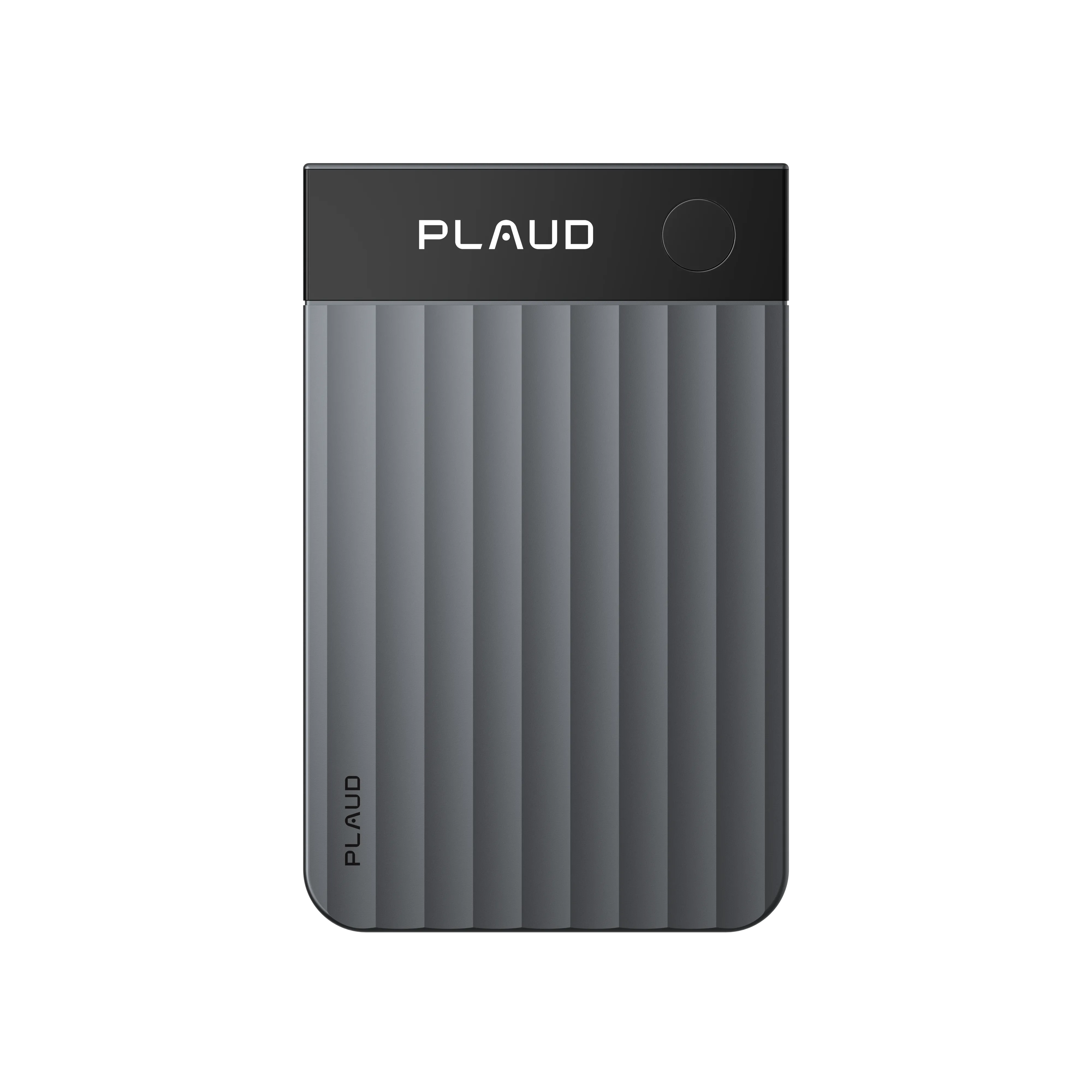
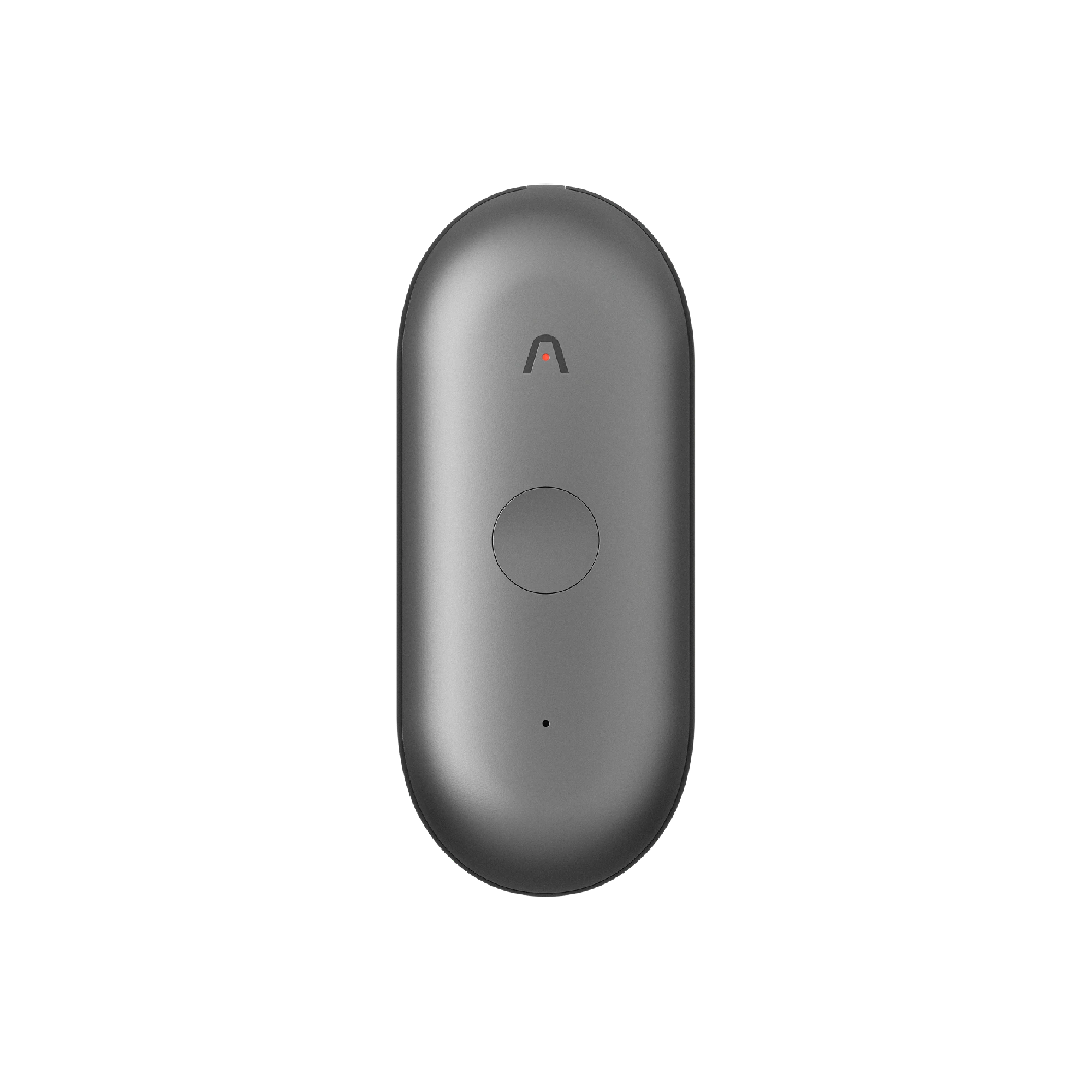
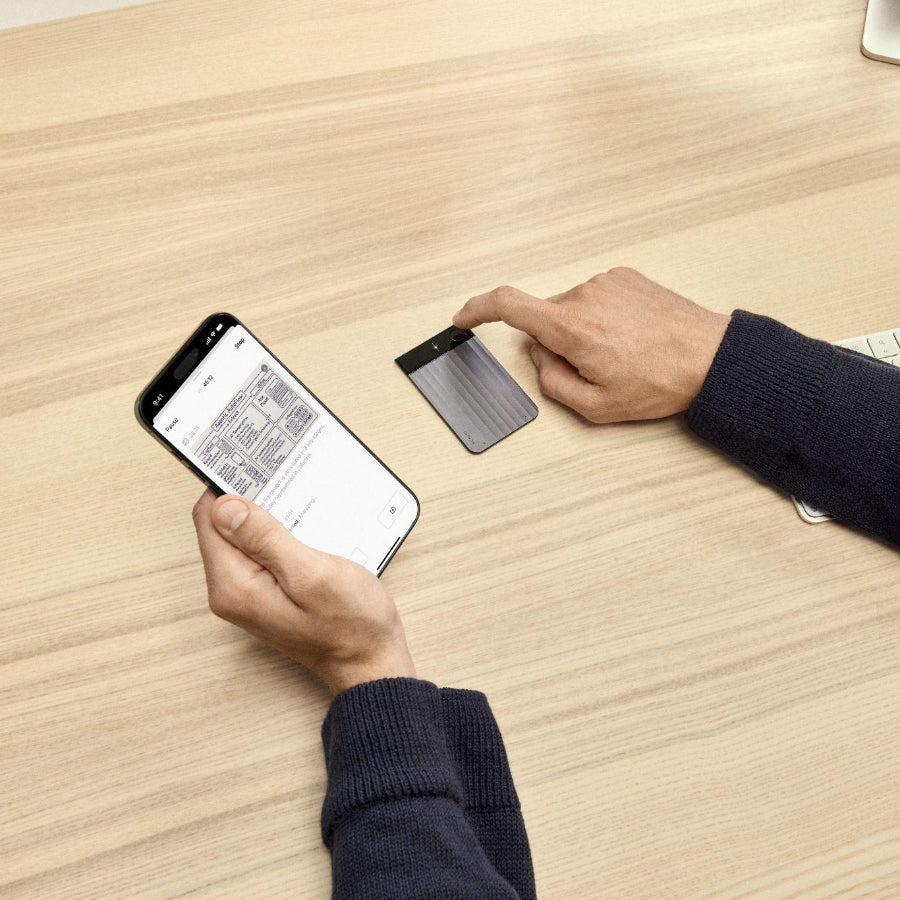
The Plaud Note Pro captures these offline conversations with professional-grade audio. The 5-meter (16.4-foot) pickup range covers a conference room or office comfortably, and the 50-hour battery life means it is always ready when an unplanned but critical conversation starts. The device sits naturally on a desk or conference table without drawing attention.
The AI layer processes each recording with Plaud's transcription engine (100+ languages, speaker separation) and generates structured summaries using business-appropriate templates. The Ask Plaud cross-recording search is where the device adds specific forecast value: before a board meeting, you can query "What did Rep X say about the Globex deal across all our 1-on-1s this quarter?" and get timestamped answers that trace back to the original audio. This creates a verifiable record of offline forecast conversations that would otherwise exist only in memory.
Where it is not the best choice
The Plaud Note Pro does not provide deal analytics, risk scoring, CRM auto-population, or any of the algorithmic intelligence that platform-based tools offer. It is a capture and retrieval device, not an analysis engine. For the structured, virtual forecast review that happens on Zoom every Monday, a tool that integrates directly with the meeting platform and pushes data into Salesforce will serve the primary workflow more efficiently. The Note Pro's strongest role in a forecast workflow is as a complementary tool that fills the offline gap, not as the primary system of record for pipeline data.
Otter.ai
Budget-friendly forecast call transcription for smaller sales teams.
Why it works
Otter.ai provides an accessible entry point for Sales VPs who want basic documentation of their forecast calls without the cost of an enterprise conversation intelligence platform. The bot joins Zoom and Google Meet calls automatically, produces real-time transcription with speaker labels, and generates a summary after each call.
For a VP at an early-stage company with a small sales team (3 to 8 reps), Otter captures the content of weekly pipeline reviews and rep 1-on-1s at a cost that fits a startup budget: free for 300 minutes per month, or $8.33 per month per user on the Pro plan billed annually. The search function lets you find specific deal mentions across past calls, and the real-time transcript can serve as a live reference during the review itself, letting you verify a number or a date without interrupting the rep.
The AI chat feature allows you to ask questions about past meetings ("What close date did the rep give for the DataCorp deal last week?"), which provides a basic version of the historical retrieval that more sophisticated tools automate.
Where it is not the best choice
Otter does not track deal changes over time, score deal risk, compare rep forecast accuracy, or push structured data into CRM systems. The tool produces a transcript and a summary; what you do with that information is entirely manual. For VPs who need their tools to actively surface forecast risk, Otter requires you to do the analytical work yourself. It also supports only 4 transcription languages and cannot record phone calls or in-person conversations. As a standalone forecast tool, Otter documents what was said but does not help you determine whether what was said is accurate, consistent, or reliable.
So which AI note taker should you pick?

The right tool depends on your team size, your budget, and how much analytical depth you need from the tool itself versus from your own judgment:
If you need deal intelligence that actively verifies forecast accuracy and flags risk: Gong is the category leader. The deal tracking, commitment monitoring, and rep reliability profiling create a data layer that transforms forecast reviews from opinion-based discussions into evidence-based calibration sessions.
If you need enterprise pipeline analytics with competitive intelligence and RevOps integration: Chorus by ZoomInfo delivers team-wide deal health scoring and feeds into broader revenue intelligence workflows.
If you want lightweight CRM automation and keyword tracking at a mid-market price: Fireflies.ai documents forecast calls, syncs to CRM, and provides basic longitudinal tracking through keyword monitoring without the enterprise cost commitment.
If critical forecast conversations happen offline (rep 1-on-1s, exec discussions, board prep): Plaud Note Procaptures the hallway admissions, phone calls, and informal discussions where the real forecast picture often emerges. Pairs naturally with Gong or Fireflies for a complete capture layer.
If you are a VP at an early-stage company who needs basic call documentation on a budget: Otter.ai provides functional transcription and search at the lowest cost.
Conclusion
The fundamental problem with most sales forecasts is not methodology; it is that the inputs are unreliable. A forecast model is only as accurate as the data it consumes, and when that data consists of verbal updates captured in memory and inconsistently logged into CRM fields, the output will always carry more uncertainty than it should.
The right AI note taker for forecast calls converts oral commitments into verifiable records. When a rep says "Acme will close at $240K by March 15," that statement needs to be captured, timestamped, and retrievable four weeks later when the deal has not closed and the rep now says the number was always $200K with an April timeline. That traceability is not about catching reps in inconsistencies; it is about building a forecast culture where numbers are grounded in documented reality rather than reconstructed memory.
The practical next step: pull up your top 10 deals and, for each one, ask yourself whether you could produce a verifiable record of what each rep committed to over the last three forecast reviews. If the answer for most deals is "I would have to ask the rep," the forecast is running on trust rather than data, and the right tool is the one that closes that gap.